
Why Choose Bonsai as Your Hobby
A calming, low‑tech hobby that fits flats, gardens and busy lives
Bonsai offers a gentle, low‑tech way to unwind. Caring for a small tree reduces stress, provides a screen‑free hobby and cultivates patience — a perfect match for busy lives with limited space. Wolf Bonsai supplies carefully selected trees and clear, practical guidance so beginners can start confidently. We focus on species suited to flats and modest gardens, practical potting and maintenance advice, and follow‑up support to help your bonsai flourish. The outcome is a mindful, nature‑connected pastime that fits modern routines without demanding specialist equipment or large time commitments.
Cultivating calm through bonsai practice
Tending a bonsai intentionally paced and quietly absorbing. Pruning, watering and close observation encourage present-moment focus and steady breathing, turning routine care into a short, restorative ritual. Emphasising deliberate movements and attentive listening to the tree, helping newcomers and experienced growers alike to slow down and centre themselves.
Wellbeing benefits you can feel
Regular bonsai care supports mental health in practical ways. Repeated, gentle tasks can reduce anxiety by giving the mind a simple, absorbing focus; checking soil, trimming a single branch or watching new shoots helps sharpen attention and concentration. Over time these steady, patient habits build resilience—improving emotional regulation and encouraging calm decision‑making that translates beyond the hobby.
Why Bonsai Makes a meaningful gift
A bonsai makes a meaningful gift in the context of wellbeing because it brings a living, calming presence into everyday life: the gentle ritual of watering, pruning and observing growth encourages mindfulness, reduces stress and helps focus attention on the present. As a miniature piece of nature it connects urban dwellers with natural cycles, improves a room's ambience and offers a tactile, meditative activity that fosters routine and a sense of achievement. Bonsai also symbolise patience and resilience—qualities that support emotional balance—and, as a long‑term companion, they create a lasting, personalised reminder to prioritise self‑care and wellbeing.
Daily rituals to keep you present
A brief, consistent routine anchors the benefits of bonsai care. Begin by taking a few steady breaths while you approach the pot, inspect soil moisture and foliage for a minute, then complete one focused task such as a light prune or a measured water. Finish by noting a single observation in a care diary. These concise steps train attention, reduce rumination and create a repeatable practice you can fit into a busy day.
Is Bonsai an expensive hobby
Bonsai doesnt need to be expensive at first, but in the context of wellbeing it is very scalable — you can start cheaply and still gain the mindful benefits. A basic starter tree or pre‑bonsai and some inexpensive compost and tools can be bought for as little as £10–£50, while high‑end specimens and specialist kit cost considerably more. The real “cost” is time and attention: pruning, wiring and quiet observation are part of the therapeutic routine that helps reduce stress and improve focus. If you want faster progress, a workshop or online course adds expense but can prevent costly mistakes. Many people begin with a small, affordable plant or repurposed pots and basic secateurs, and only invest in pricier equipment as their interest deepens. Given these options, bonsai need not be prohibitively expensive to start, and the wellbeing gains often outweigh the modest outlay.
Getting started with Bonsai at Wolf Bonsai
Getting started is straightforward with the right guidance from Wolf Bonsai . Begin by choosing a species suited to your light and space, learn the basics of pruning and wiring, select an appropriate pot and assemble a small set of essential tools. Wolf Bonsai supplies carefully chosen starter kits that include a tree, pot, soil and tools and variety specific care guides on our website
Pick the right species for your home or garden
Match plant choice to light, space and UK climate
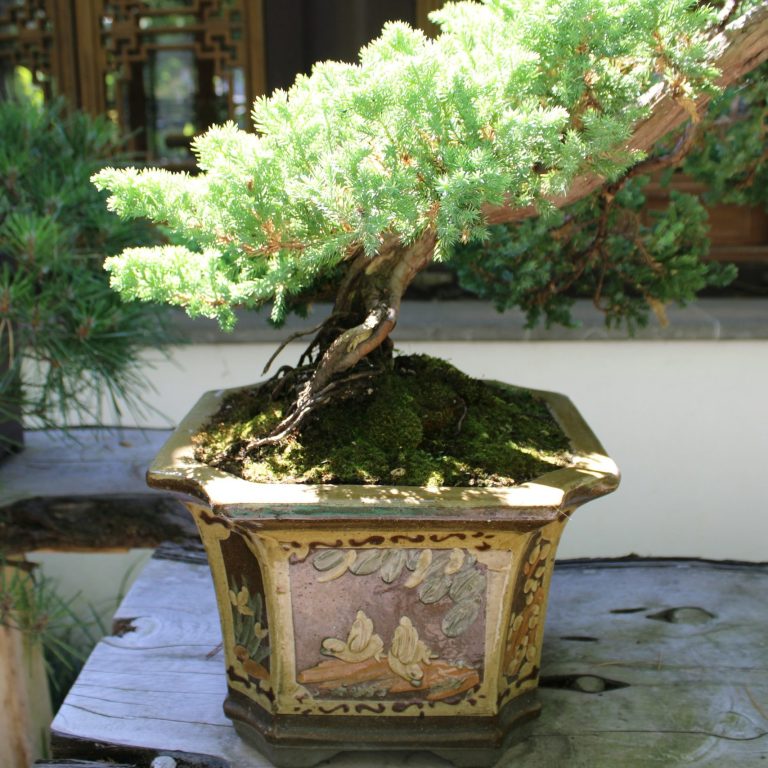
Choosing the right bonsai for your space and light is a simple but important step towards enhancing your wellbeing: start by measuring the area where the tree will live and note how many hours of natural light it receives and from which direction, then pick a species whose mature size and light needs match those conditions. For smaller, dimmer indoor spots, hardy species such as Ficus or Chinese elm tolerate lower light and slower growth; for bright windows or outdoor balconies that get full sun, juniper, pine or cotoneaster will thrive. If you only have artificial light, provide a full‑spectrum grow light for around 10–12 hours a day and choose a forgiving plant; if your space is limited, aim for dwarf or slow‑growing varieties and shallow pots to keep the bonsai proportionate. Finally, consider your routine—selecting a low‑maintenance tree if you are busy will reduce stress and make daily care a mindful, restorative habit rather than a chore.
Learn basic pruning and wiring techniques
Safe, straightforward methods to shape young trees
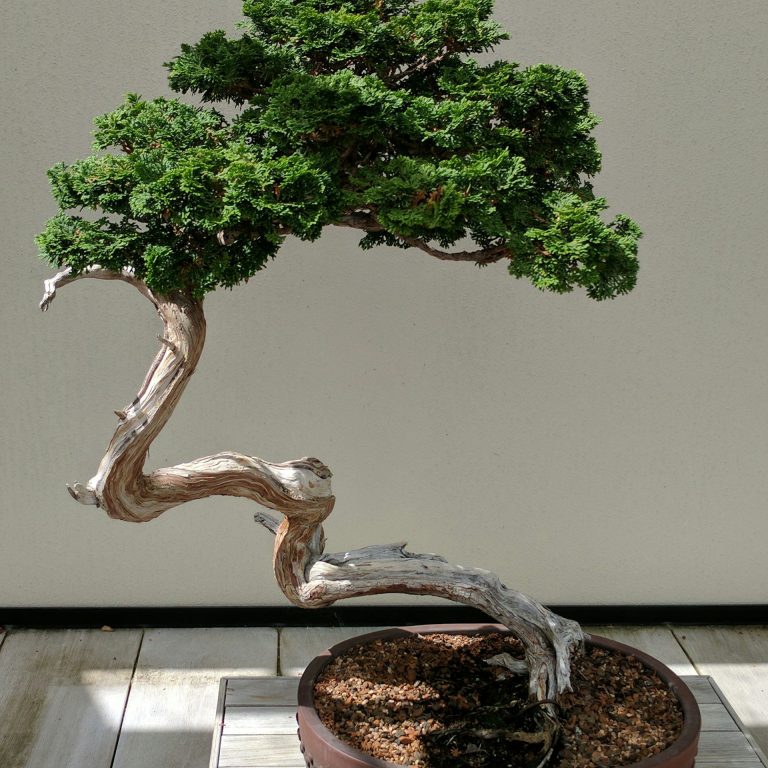
Understanding when and how to prune and wire is essential for shaping bonsai without harming the tree. Timing is important: for most deciduous species major structural pruning is best late winter before bud burst, while light maintenance pruning can be carried out during the growing season. Use appropriate tools such as concave cutters, branch cutters and bonsai scissors, and always make clean cuts. Wiring should be undertaken with suitable aluminium or copper wire, applied at a 45 degree angle and checked regularly to avoid scarring; wire is usually left in place for a few months depending on growth rate.

Choose the right pot and assemble essential kit
Balance drainage, scale and practicality
Pot selection affects both aesthetics and plant health. Choose a pot with adequate drainage holes and a depth that suits the rootball; the pot should complement the tree’s style and remain proportionate as the bonsai develops. Use a free-draining bonsai soil mix rather than general garden compost — components such as pumice, grit and a suitable loam keep roots healthy in UK conditions. Essential tools include concave cutters, root rake, wiring, chopsticks for soil work and a watering can with a fine rose. Wolf Bonsai stocks pots in sizes suited to beginners and supplies premium bonsai soil mixes.
For more advice
Contact us at info@wolfbonsai.co.uk
Wolf Bonsai supports new bonsai enthusiasts with a range of locally delivered services. Our starter kits are tailored by species and include a young tree, pot, soil and the basic tools you need.
A hobby for life
Bonsai is a lifelong hobby that grows with you. At Wolf Bonsai, we see time and again how careful seasonal care, disciplined styling techniques and simple patience turn small trees into treasured companions. As a specialist bonsai plant supplier, we provide the stock, equipment and expert guidance to begin — and sustain — a rewarding journey. Whether you are taking your first step or refining decades of practice, bonsai offers continuity, a sense of nurture and strong connections to a wider community of enthusiasts.
Growing with your tree
Bonsai is made to mature. Over years you learn to read each tree’s rhythm: when to reduce water, when to lift a root, when a branch needs thinning. See our Bonsai care guides
Seasonal care: what to expect through the year
Healthy bonsai depend on seasonal routines tailored to species and pot culture. In spring, focus on repotting young trees, root pruning and starting a gentle feed; summer requires vigilant watering, shade management and careful monitoring of wiring. In autumn reduce fertiliser and perform structural pruning to prepare for dormancy; winter is for frost protection, reduced irrigation and final wiring adjustments on hardy species. Wolf Bonsai supplies appropriate soil mixes
Styling and technique: craft with care
Styling bonsai combines horticulture with applied design. Key techniques we teach and support include pruning for ramification, wiring to set movement, creating deadwood features (jin and shari) and developing even nebari. Choice of pot, branch placement and proportion are subtleties that evolve slowly; wires are a temporary tool, gradually removed as a tree sets.
Community, shows and continued support
Bonsai is social as well as solitary. It opens doors to local clubs, regional shows and national exhibitions where members exchange knowledge and display years of work