
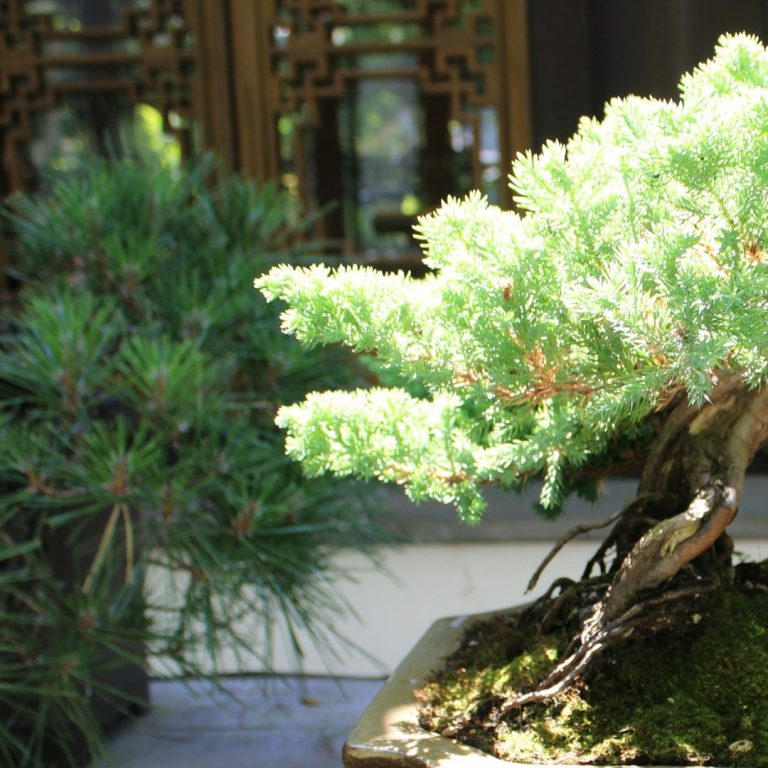
Juniper Bonsai Care Guide
A Miniature Masterpiece
Explore the fascinating world of Juniper bonsai, a popular choice among enthusiasts. Renowned for their resilience and unique aesthetic appeal, Juniper bonsai are a fantastic addition to any bonsai collection. These trees showcase a stunning range of foliage colours and shapes, making them not only beautiful but also intriguing to care for. Their adaptability allows them to thrive in various environments, whether in your home or garden. Maintaining a Juniper bonsai is an enriching experience that can enhance your gardening skills and deepen your appreciation for nature. In this guide, we delve into the unique characteristics of Juniper bonsai, provide essential insights into their care and maintenance, and highlight why they are an exceptional choice for both novice and seasoned bonsai enthusiasts.
Essential Placement for Your Juniper Bonsai
To cultivate a vibrant Juniper bonsai, proper placement is paramount. Ideally, this species thrives when positioned in a location that balances sunlight and protection from harsh environmental factors. Juniper Bonsai must be kept outdoors throught the year. Position in full sun with good airflow. Protect the pot from prolonged severe frost, but do not bring the tree into a heated house.
Understanding Light Requirements
Juniper bonsais require a significant amount of indirect sunlight to flourish. A minimum of four to six hours of bright light daily is recommended, with adjustments made according to seasonal changes. During the winter months, it is crucial to re-evaluate your bonsai's positioning, as natural light diminishes and may necessitate supplementary lighting solutions. Ensuring your tree receives the right amount of light will not only support its growth but also enhance the deep colours and textures of its foliage.
Optimal Conditions for Longevity
Maintaining the longevity of your Juniper bonsai hinges on replicating its natural habitat as closely as possible. Ideally, keep your bonsai in temperatures ranging from 15°C to 25°C, avoiding extreme heat or cold. When indoors, ensure adequate air circulation, as stagnant air can lead to pest problems and adverse growth rates. The health of your bonsai significantly depends on its environmental conditions, making it essential to consistently monitor and adjust placement as necessary.

Signs of Light Stress
Recognising the signs of light stress in your Juniper bonsai can prevent long-term damage. Symptoms such as yellowing leaves, elongated branches, and leaf drop often indicate insufficient light exposure. Conversely, too much direct sunlight can manifest in burnt leaf tips and faded colours. Regularly assessing the condition of your bonsai's foliage will aid in making timely adjustments to its placement, ensuring it remains healthy and vibrant.
Conclusion: Perfecting Your Care Routine
A meticulous approach to your Juniper bonsai's placement and light requirements is crucial in fostering its growth and aesthetic appeal. By understanding and implementing these environmental needs, you will ensure not only the vibrancy of your bonsai but also its longevity. As you develop your care routine, remember that each tiny adjustment can yield significant improvements in the health and beauty of your bonsai.
Master the Art of Watering Your Juniper Bonsai
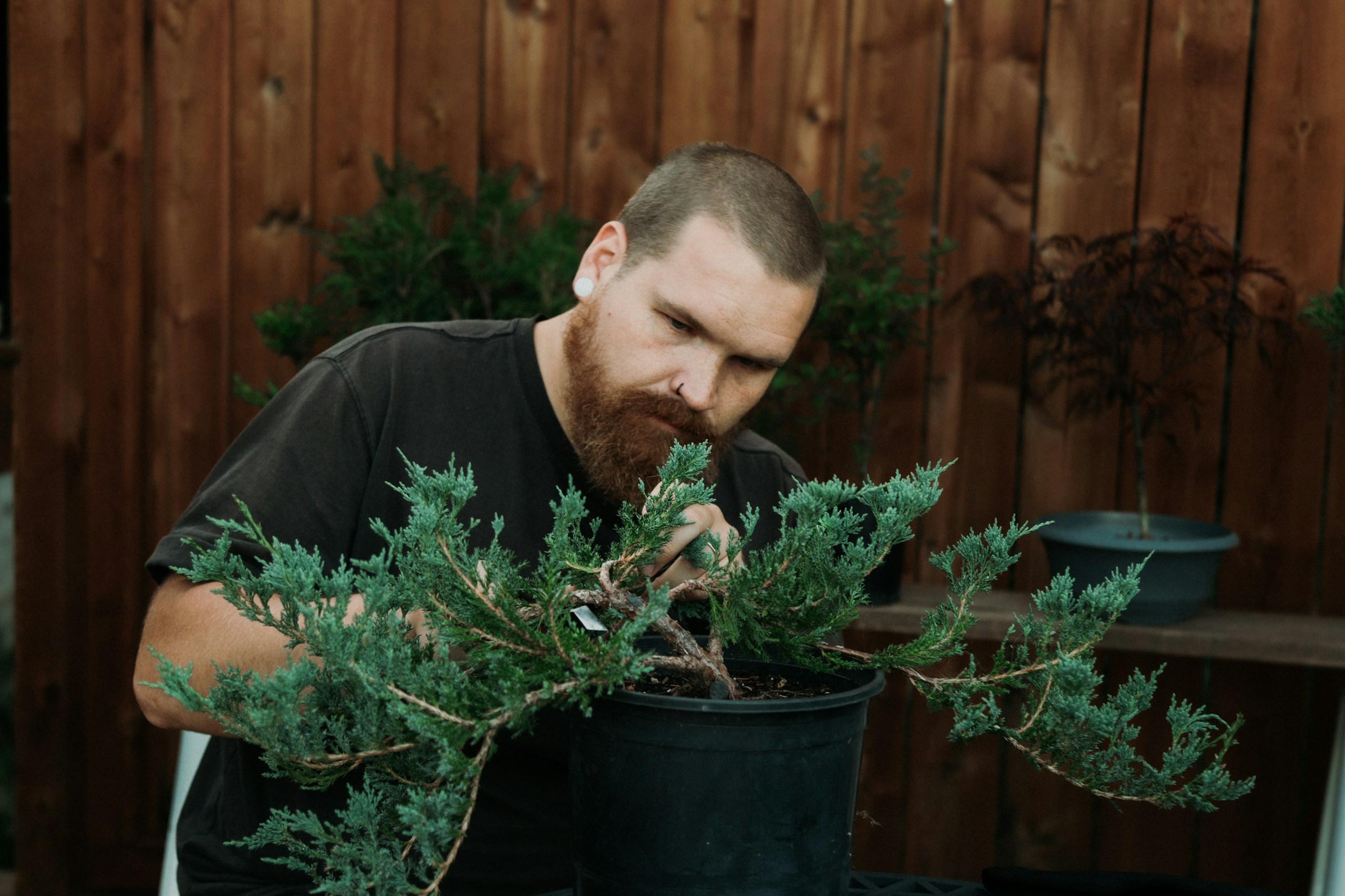
Proper watering is vital for maintaining the health of your Juniper bonsai. At Wolf Bonsai, we understand that achieving the ideal moisture balance can be challenging for both novice and seasoned bonsai enthusiasts. To ensure your tree thrives, follow these essential tips: Firstly, it is important to assess your bonsai’s moisture needs based on its growing conditions. Factors such as temperature, humidity, and pot size will influence how often you should water. Always check the soil moisture before watering. Insert a finger about an inch deep into the soil; if it feels dry, it's time to water. Conversely, if it remains moist, wait a little longer before watering again. When watering, do so thoroughly. Ensure that water seeps out from the drainage holes of the pot, allowing the roots to absorb necessary moisture while preventing root rot from overwatering. Use room temperature water to avoid shocking your tree. Be mindful of the season; Junipers require less water in their dormant winter phase compared to the active growth of spring and summer. Adjust your watering schedule accordingly to adapt to these seasonal changes. Lastly, avoid allowing your Juniper bonsai to sit in standing water. Ensure your pot has adequate drainage to support healthy root development. By adhering to these guidelines, you will foster a flourishing Juniper bonsai that is both vibrant and healthy. At Wolf Bonsai, we're dedicated to supporting your bonsai journey with the best advice and resources available.
Essential Feeding and Nutrition for Your Juniper Bonsai
Feeding your Juniper bonsai correctly is vital for its growth. At Wolf Bonsai, we understand the unique nutritional needs of these beautiful plants and are dedicated to helping you cultivate a healthy bonsai. In this section, we will explore the appropriate fertiliser types, recommended feeding schedules, and the overall impact these practices have on the vitality of your bonsai.
Understanding Fertilisers for Juniper Bonsai
Choosing the Right Nutrients
When it comes to fertilising your Juniper bonsai, selecting the right fertiliser is crucial. A balanced fertiliser, which contains equal parts nitrogen, phosphorus, and potassium, is ideal for promoting healthy growth. Additionally, slow-release fertilisers can provide a consistent supply of nutrients over time, reducing the frequency of feeding.
Optimal Feeding Schedules
How Often Should You Feed?
Establishing a feeding schedule is integral to the health of your Juniper bonsai. Generally, you should feed your bonsai every four to six weeks during the growing season, which typically runs from spring to autumn.
Signs of Healthy Nutrition
Identifying Nutrient-Deficient Bonsai
A well-fed Juniper bonsai will display lush green foliage, strong branch development, and overall vitality. Conversely, signs of nutrient deficiency include yellowing leaves, stunted growth, and poor branch structure. Regularly monitoring your plant's condition can help you adjust its feeding regimen to maintain its health.
Common Mistakes in Bonsai Feeding
Avoiding Nutrient Overload
Many bonsai enthusiasts fall into the trap of over-fertilising their plants, believing that more nutrients equate to better growth. This can lead to nutrient burn, which manifests as browning leaf edges and growth that is weak or leggy. It's essential to understand the right balance and follow guidance on dosage to prevent such pitfalls.
Perfecting Your Juniper's Abode: The Right Soil for Bonsai
At Wolf Bonsai, we understand that soil composition plays a significant role in the health and vitality of your Juniper bonsai. Selecting the right type of soil is vital to achieving optimal growth and ensuring that your plant thrives for years to come. In this section, we will explore the best soil types and mixtures tailored specifically for Junipers, allowing you to create the perfect growth environment for your beloved plant.
Characteristics of Ideal Bonsai Soil
The ideal bonsai soil should feature good drainage while retaining sufficient moisture to support root health. For Juniper bonsai, a well-balanced mix that combines lightweight components is essential. The soil should provide essential nutrients and be breathable, allowing for adequate aeration and preventing root rot.
Recommended Soil Mixtures
A popular mixture for Juniper bonsai includes equal parts akadama, pumice, and lava rock. This combination offers excellent drainage and aeration, promoting healthy root development. Alternatively, you may opt for a mix of organic compost with coarse sand to enhance moisture retention without compromising drainage.
Adjusting Soil Composition by Season
As seasons change, so do the water retention needs of your Juniper bonsai. In warmer months, ensure your soil mix facilitates drainage to prevent over-saturation during rainy spells. In contrast, during colder months, you may wish to incorporate more organic matter to help retain moisture while still allowing for proper aeration.
Testing Your Soil's Quality
It is crucial to periodically test the quality of your bonsai soil. This can be achieved through visual inspection and by checking the moisture content. A good bonsai soil should crumble easily when dry, and not clump together excessively when wet. Our team at Wolf Bonsai is here to assist you with tailored advice and product recommendations to help you maintain the ideal soil conditions for your Juniper, ensuring its long-term health and aesthetic appeal.