
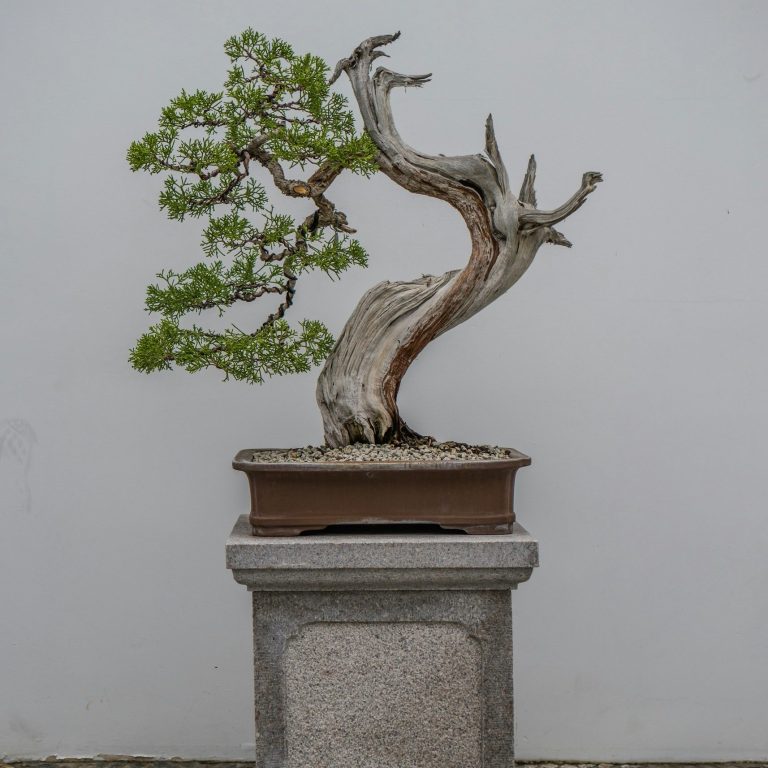
Discover the Elegance of Chinese Elm Bonsai
The Perfect Addition to Your Bonsai Collection
The Chinese Elm Bonsai, a renowned species among bonsai enthusiasts, offers a captivating blend of beauty and resilience. Originating from the temperate regions of East Asia, this species is known for its remarkable adaptability and unique characteristics that set it apart from other bonsai options. Its dense, small leaves provide a lush canopy that changes with the seasons, creating an enchanting display throughout the year. Understanding the growth patterns of the Chinese Elm is crucial in nurturing this bonsai. It thrives in a variety of environments and can be trained into various styles, making it a versatile choice for both novice and experienced bonsai gardeners. The tree's natural tendency to produce abundant shoots allows for easy shaping and pruning, encouraging creativity in styling. However, it is essential to consider the specific care requirements, including proper watering, light conditions, and fertilisation, to ensure the longevity and health of your bard bonsai. At Wolf Bonsai Ltd, we are dedicated to providing you with the knowledge and resources to properly care for your Chinese Elm Bonsai, ensuring it flourishes in your home.
Optimal Placement for Your Bonsai
Positioning is crucial for the health of your bonsai. Ensuring that your plants receive the right balance of light, moisture, and temperature is essential to their growth and longevity. This article delves into the ideal lighting conditions specifically for Chinese Elms, which are known for their resilience and adaptability.
Lighting Essentials for Chinese Elms
Chinese Elms thrive in bright, indirect sunlight. While they can tolerate some direct sunlight, prolonged exposure can lead to leaf scorch. A position near a window where filtered light comes through is ideal. It’s advisable to rotate your bonsai regularly to promote even growth and avoid lopsided foliage.
Temperature Considerations
Maintaining appropriate temperature ranges is vital for your bonsai's well-being. Chinese Elms prefer temperatures between 15 to 25 degrees Celsius. It is essential to protect your bonsai from extreme temperatures, especially during the winter. If indoor, ensure they are not placed near drafts or heating sources that could cause temperature fluctuations.
Creating the Perfect Environment
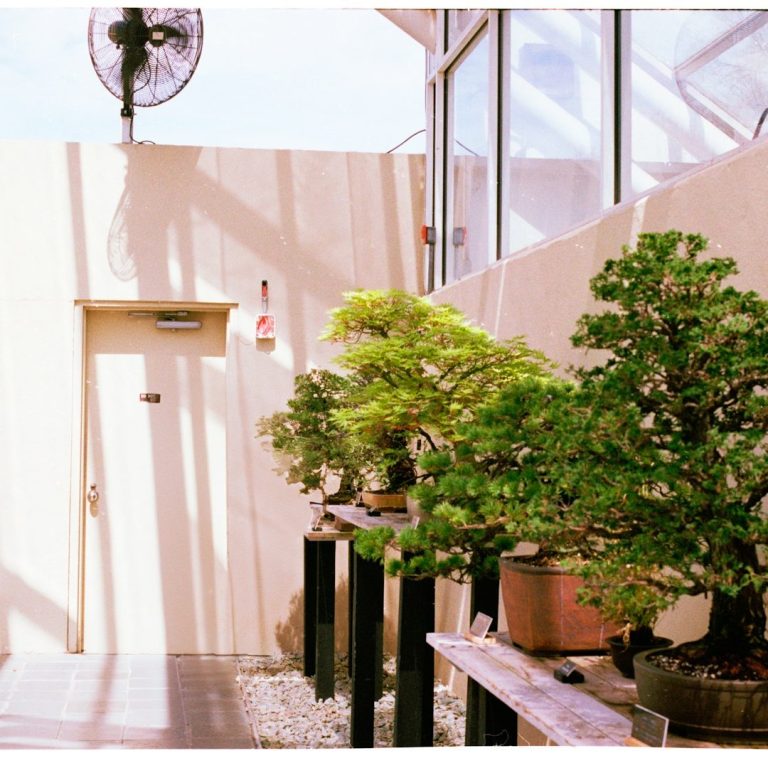
A suitable environment for your bonsai can be achieved both indoors and outdoors. Indoors, ensure that your bonsai has sufficient humidity; regularly misting the leaves can help. Outdoors, find a protected area that avoids harsh winds. Selecting the right potting mix and ensuring good drainage is also crucial in creating an optimal growing environment.
Diligent Care for Longevity
Caring for your bonsai is an ongoing process. Regularly check the soil moisture and adjust positioning as necessary for optimal light exposure throughout the seasons. By following these guidelines, your Chinese Elm can thrive, bringing beauty and tranquillity to your space.
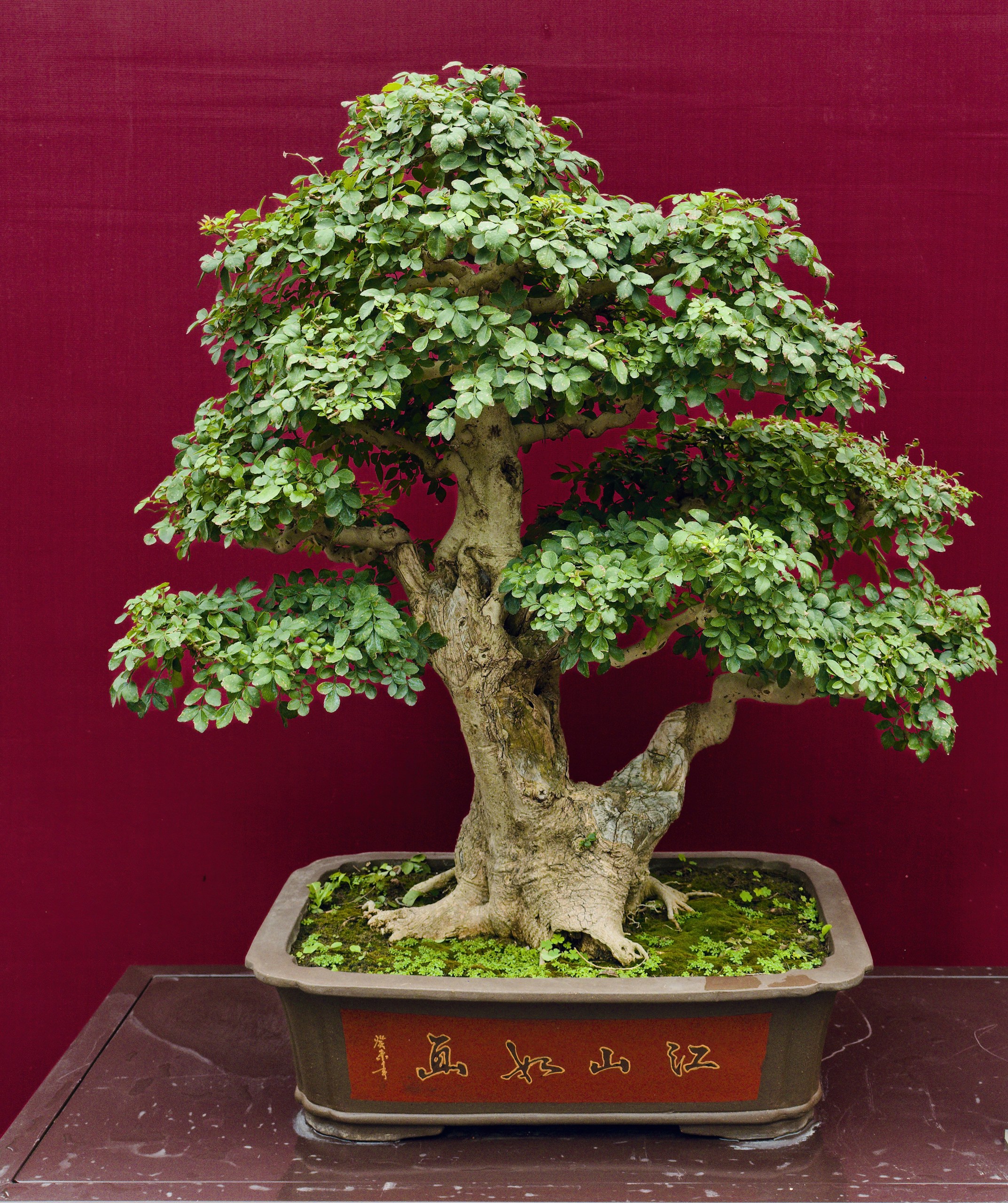
Chinese Elm Bonsai Gallery
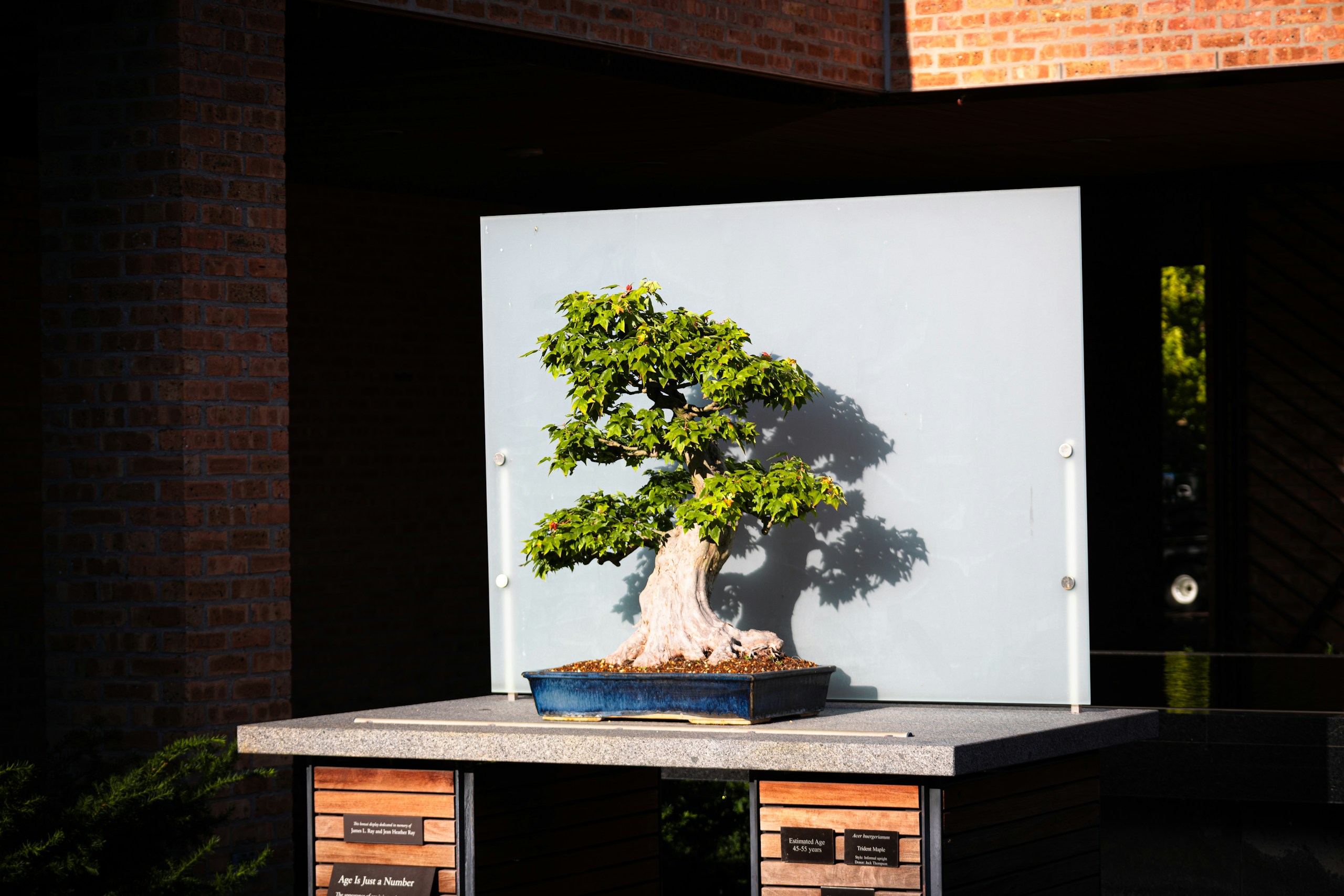
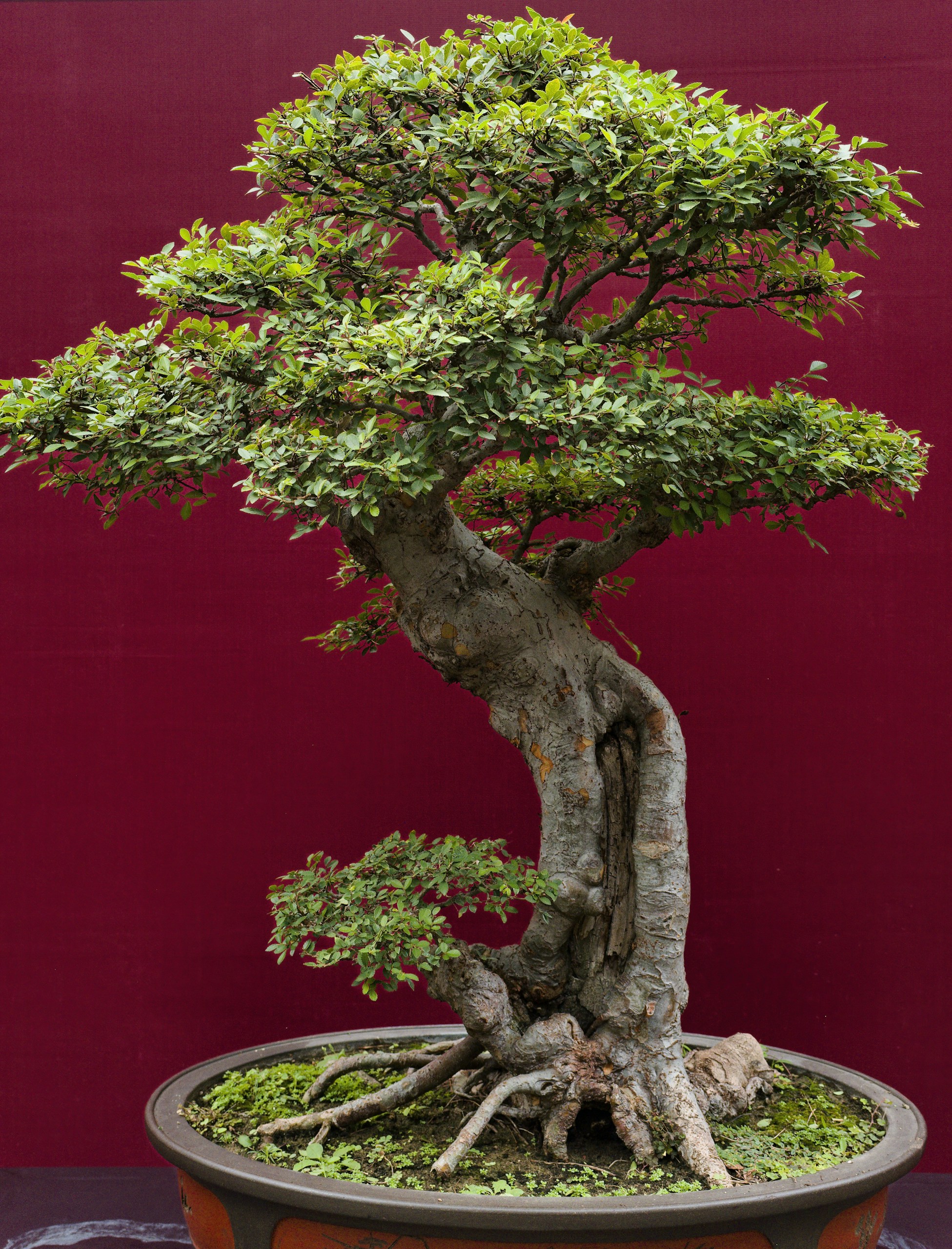
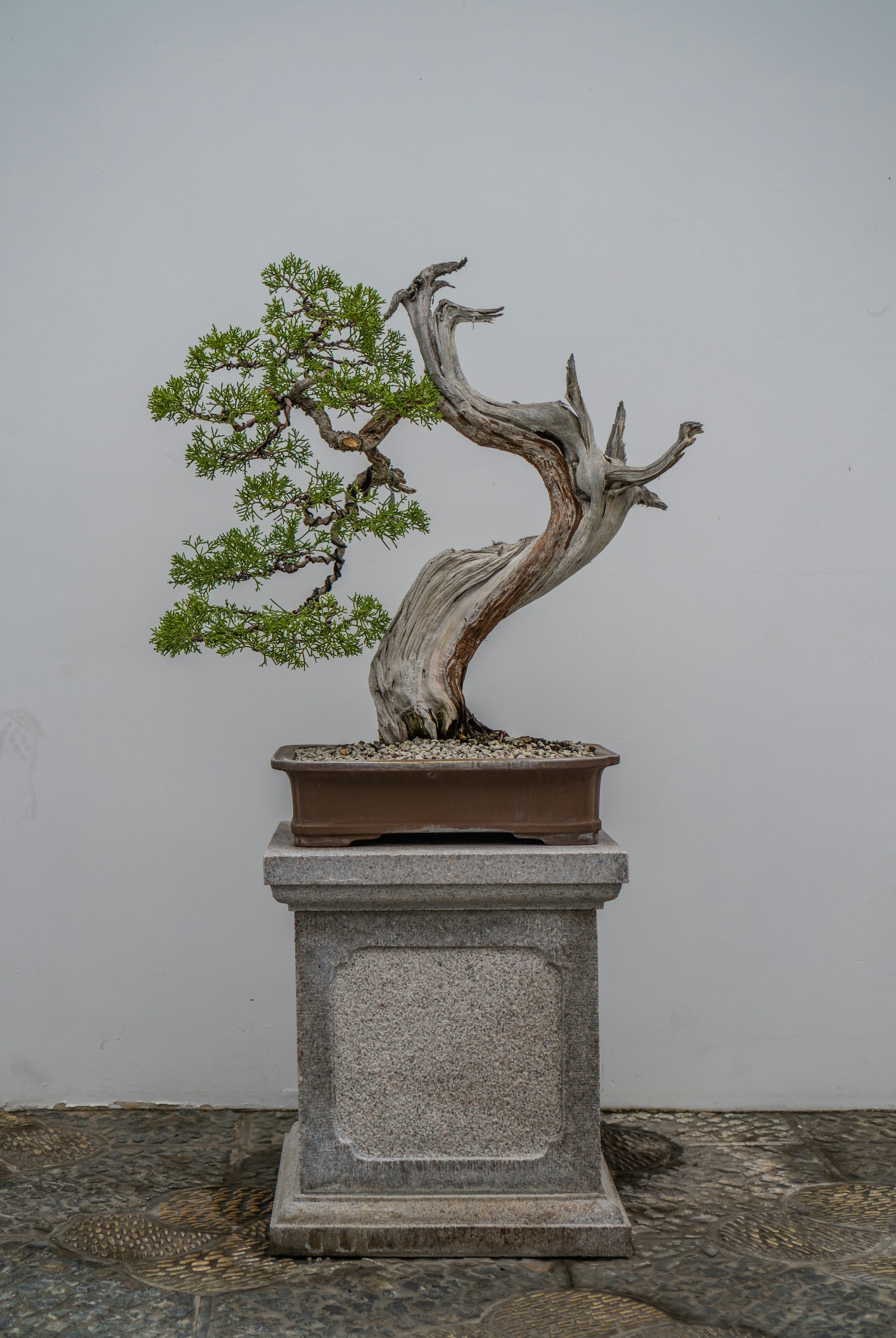
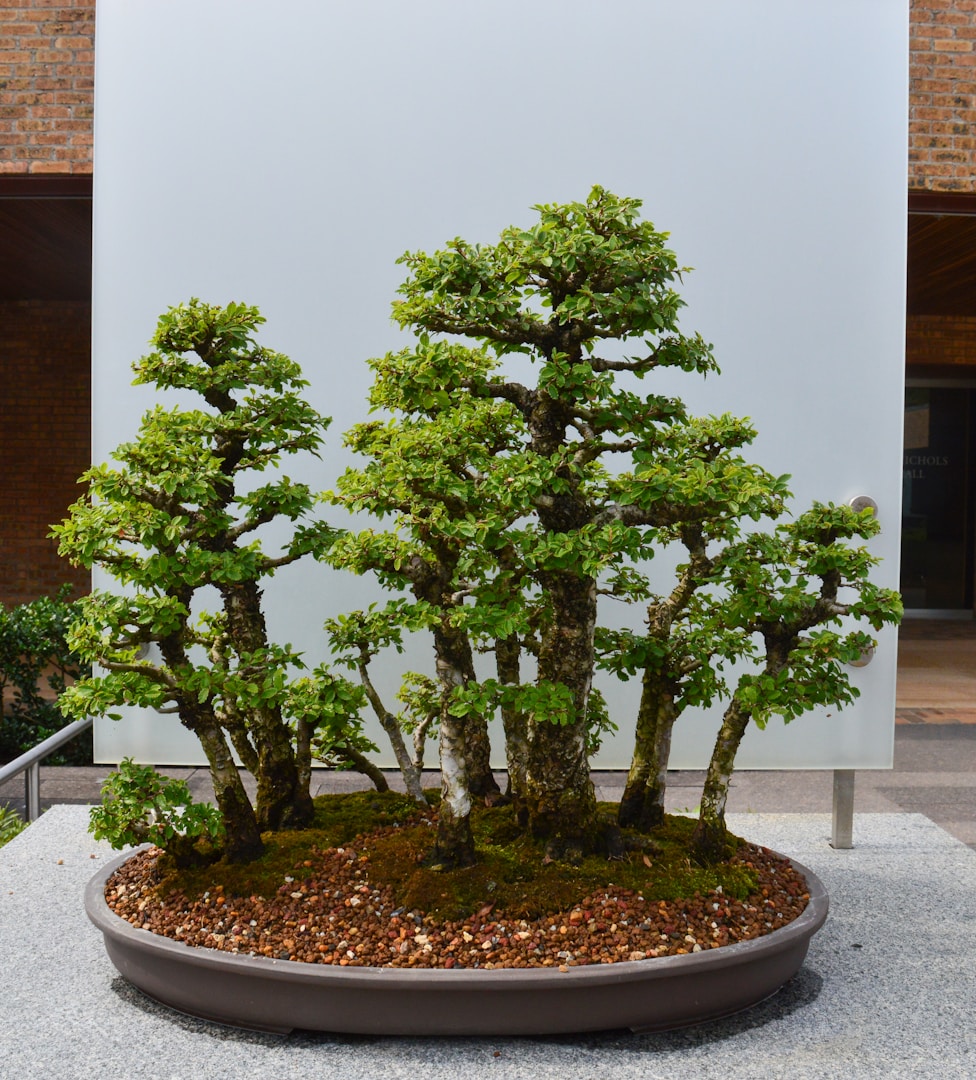
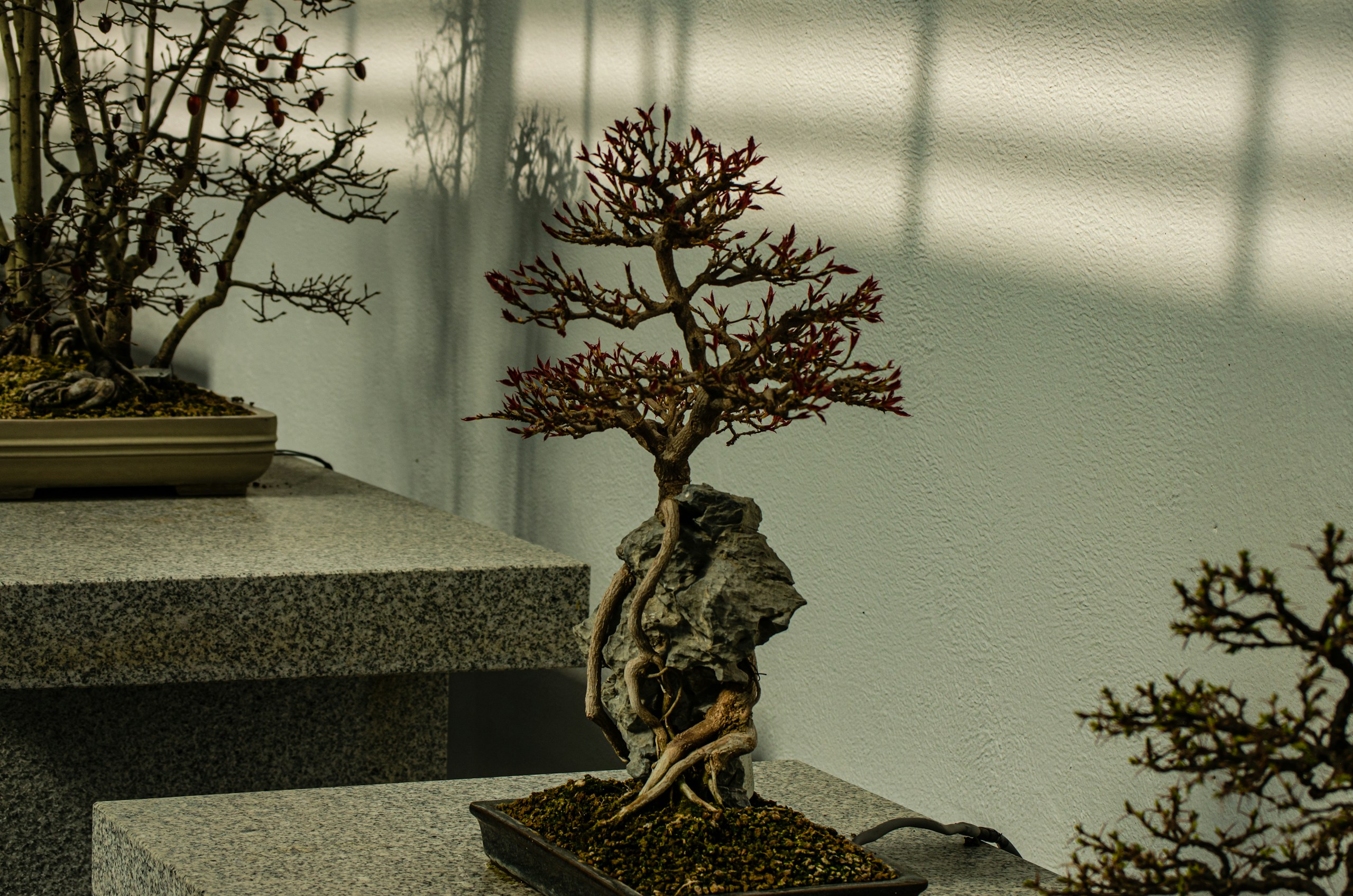
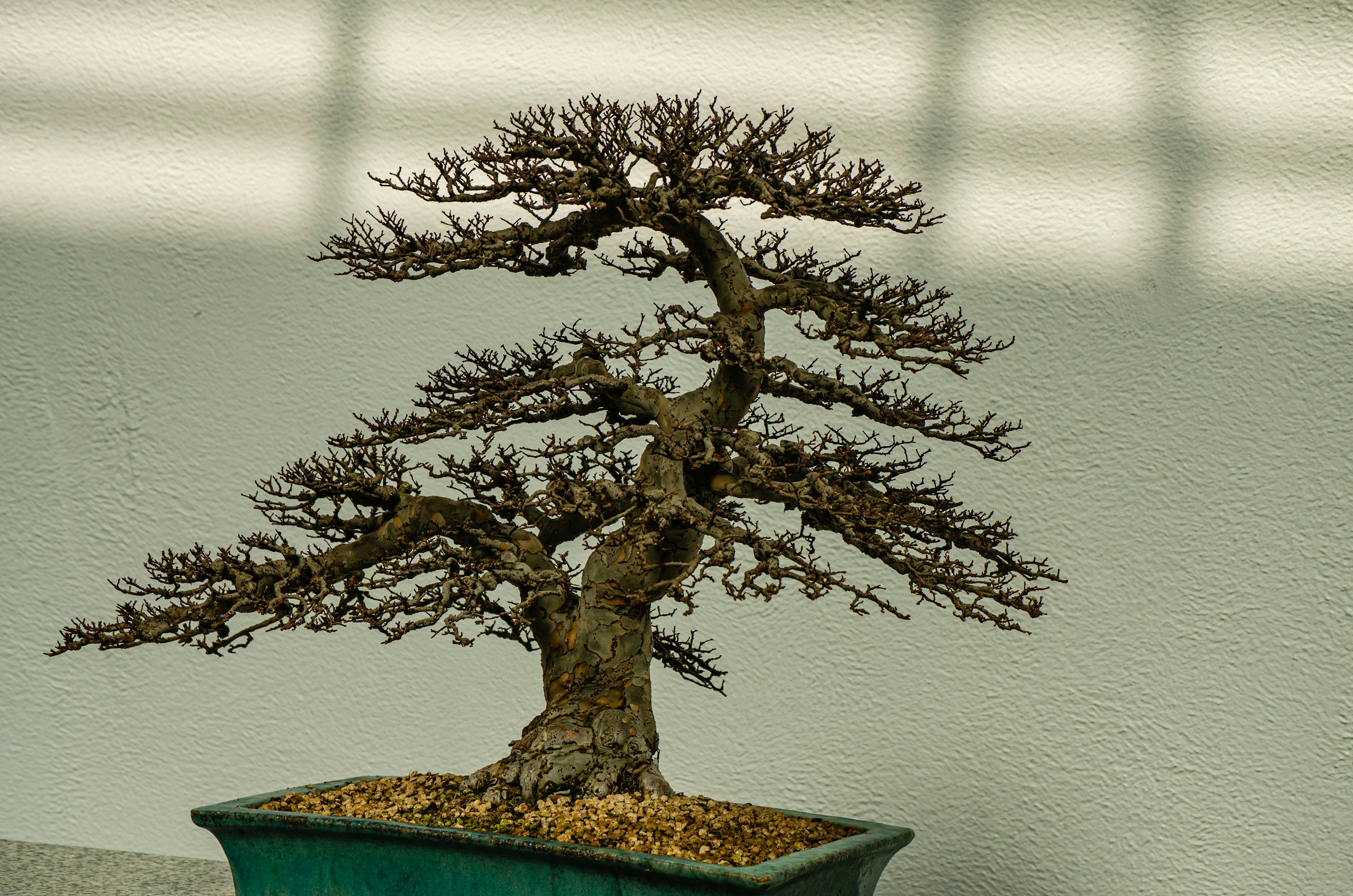
Explore our gallery showcasing stunning Chinese Elm Bonsai examples. This visual representation will inspire you and provide insight into different styles and shapes that can be achieved with proper care. Each image in our collection highlights the exquisite craftsmanship involved in nurturing these remarkable plants. Whether you're a seasoned enthusiast or a newcomer to the art of bonsai, we hope this gallery serves as a source of motivation and creativity as you embark on your own bonsai journey.

Mastering the Art of Bonsai Care
At Wolf Bonsai Ltd, we are dedicated to ensuring that your botanical journey with bonsais is fulfilling and rewarding. Here, we delve into essential care practices such as watering schedules, feeding strategies, and proper pruning techniques. Understanding these fundamentals is crucial for maintaining your Chinese Elm Bonsai, supporting its optimal growth and enhancing its aesthetic appeal.
Watering Schedules: The Key to Healthy Growth
Watering is one of the most vital aspects of bonsai care. Your Chinese Elm Bonsai requires a consistent watering schedule to thrive. It is essential to water your plant when the topsoil begins to dry out, ensuring that you provide adequate moisture without allowing water to accumulate in the pot, which can lead to root rot.
Feeding Strategies: Nourishing Your Bonsai
To maintain vibrant foliage and strong growth, appropriate feeding is necessary. We recommend using a balanced, slow-release fertiliser during the growing season, typically ranging from spring to autumn. This will offer your Chinese Elm Bonsai the necessary nutrients to flourish. Be cautious not to over-fertilise, as this can cause more harm than good.
Pruning Techniques: Sculpting Your Bonsai
Proper pruning is fundamental in bonsai cultivation. Regularly trimming both the roots and foliage will help maintain its shape and size. For the Chinese Elm, be sure to prune during the active growing season, using sharp, sterile tools to prevent infection and to ensure clean cuts.
Creating an Ideal Environment: The Perfect Setting
Lastly, your bonsai's environment plays a significant role in its health. Position your Chinese Elm Bonsai in a spot that receives filtered sunlight, avoiding both harsh midday sun and deep shade. Additionally, ensure that the humidity levels are appropriate, as bonsais thrive in slightly humid conditions.

Troubleshooting Common Problems with Chinese Elm Bonsai
Your Guide to Overcoming Challenges
At Wolf Bonsai Ltd, we understand that the journey of growing a Chinese Elm Bonsai can be filled with challenges. This section is dedicated to addressing the most common issues you may encounter, ensuring that you have access to expert advice and practical solutions. One of the prevalent problems is leaf drop, which can occur due to various factors such as improper watering, insufficient light, or abrupt changes in temperature. To mitigate this, we recommend establishing a consistent care routine, ensuring your bonsai receives adequate sunlight and is neither over nor under-watered. Pests, such as aphids and scale, can also pose a threat to your Chinese Elm Bonsai. Regular inspections and the use of natural insecticides can help keep these pests at bay, ensuring the health of your plant. Fungal diseases, often a result of high humidity or poor air circulation, can be detrimental. It is crucial to maintain optimal watering practices and ensure good airflow around your bonsai. Should you find yourself dealing with a fungal outbreak, consider applying fungicide treatments as a preventative measure. With the right knowledge and care, you can successfully navigate these challenges and enjoy the beauty of your Chinese Elm Bonsai. Trust Wolf Bonsai Ltd to empower your success with our expert guidance.