
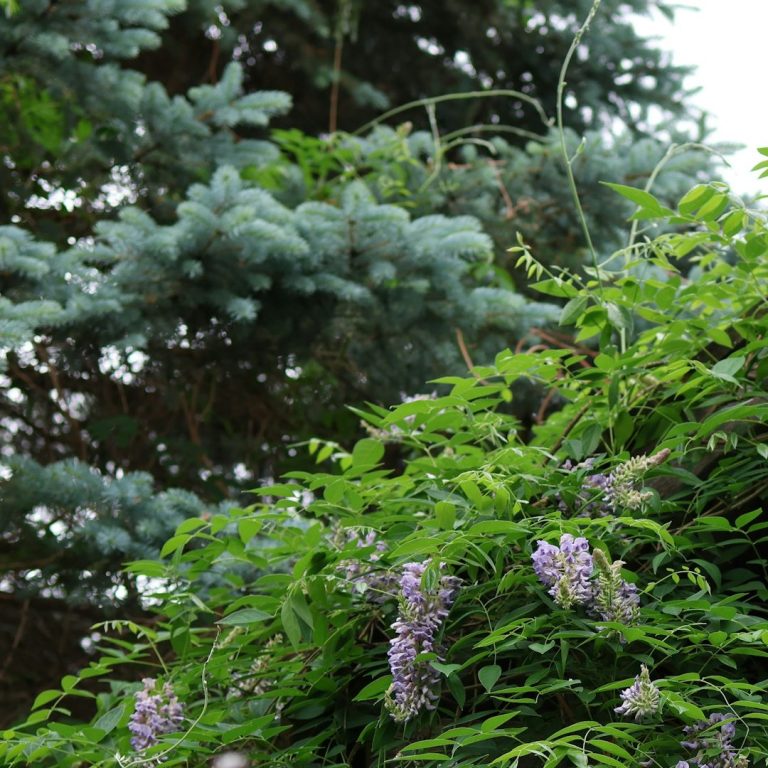
Wisteria Bonsai Care Guide from Wolf Bonsai
Welcome to Wolf Bonsai's guide to wisteria bonsai, created for both beginners and experienced growers Wisteria is prized for its cascading flower racemes, intoxicating scent and the strong seasonal contrast it brings to a display. As a bonsai subject it rewards patience: when correctly trained and cared for, it produces spectacular spring displays while retaining an elegant, structural form through the rest of the year. What to expect from flowering: in the UK wisteria commonly blooms in late spring to early summer. Flowering is borne on old wood, so the majority of flower buds form on last season's growth. This means that pruning and timing are critical — prune too late in spring and you risk removing the flower buds; prune too little and the tree will become congested and flower poorly. Environmental factors such as spring frosts or prolonged wet conditions, can affect bud set and bloom intensity. Balancing aesthetics with plant health: achieving an attractive bonsai is not only about dramatic flowering. Structure, taper, root health and seasonal vigour are equally important. We recommend prioritising the tree's long-term health when making styling decisions: retain enough leaf area for photosynthesis, avoid over-thinning that stresses the plant, and use wiring and branch selection to create form without compromising sap flow. In practice this means combining light shaping in the growing season with responsible winter structural pruning, and planning repotting times to support root development. Practical advice from Wolf Bonsai: choose a strong, well-balanced specimen and locate it in a bright, sheltered position with good air circulation. Use a free-draining bonsai compost to prevent waterlogging and feed with a balanced fertiliser through the growing season, reducing nitrogen in late summer to encourage bud formation. Protect young or recently repotted plants from hard frost and avoid moving flowering buds unnecessarily. Quick care points: - Light: full sun to light afternoon shade for best flowering. - Water: keep evenly moist in growth, avoid prolonged drying or waterlogging. - Fertiliser: balanced feed in spring and early summer; reduce high-nitrogen feeds late summer to promote bud set. - Pruning: structural pruning in winter while dormant; light summer pruning to manage growth and encourage flowering spurs. - Repotting: typically every two to four years for young trees, less frequently for mature specimens; best done in late winter/early spring. - Winter care: provide shelter from severe frost and avoid waterlogged conditions. This introduction leads into a concise month-by-month care plan, tailored for the UK's climate and Wolf Bonsai recommended practices. The following section provides specific tasks for each month, from dormancy pruning and repotting windows to flowering care and autumn preparations, so you can plan seasonal work with confidence.
Care Essentials
Wolf Bonsai provides clear, practical guidance for keeping bonsai healthy and attractive. These care essentials cover positioning, watering, feeding, pruning and flowering, repotting and soil choice, wiring and winter care. Advice is tailored to the temperate climate and the needs of containerised trees, with an emphasis on free-draining substrates and preventative maintenance to avoid common problems such as waterlogging, root binding and wiring scars.
Positioning: Sunlight with Shelter
Position bonsai in full sun where the species demands it, but give shelter from strong prevailing winds and cold easterlies. A south- or west-facing position that still benefits from a windbreak or nearby structure is ideal. For tender flowering species move pots to the most sunlit, frost-sheltered spot during early spring; for established hardy specimens allow winter exposure but avoid prolonged deep frost and icy winds. Creating a consistent microclimate with wind protection will encourage steady growth and reduce stress.
Watering and Soil Choice
Water regularly but avoid waterlogging. Check moisture daily in warm weather by probing the top substrate; when the top few millimetres feel slightly dry, water thoroughly until water drains from the pot’s holes. Use a fine‑rose can or gentle hose spray to wet the whole rootball and repeat until runoff clears. Wolf Bonsai supplies free‑draining bonsai substrate because good drainage is essential to prevent root rot. This type of substrate retains moisture without becoming waterlogged and encourages healthy fibrous root development.
Feeding, Pruning and Flowering
Fertilise through the active growing season to support foliage, root development and flowering. Use a balanced bonsai fertiliser during spring and early summer, following manufacturer dilution rates; a liquid feed fortnightly or a slow‑release granular applied according to label guidance is effective. For flowering species, reduce high‑nitrogen feeds as buds form and apply a feed higher in potassium to support flower set. Prune to shape after flowering to preserve next season’s blooms and to maintain structure. Remove dead or crossing branches, thin congested areas and make clean cuts with sharp, sterilised tools. Wolf Bonsai recommends sterilising blades between trees to prevent disease transfer and offers specialist pruning tools and advice tailored to each species.
Repotting, Wiring and Winter Care
Repot sparingly into free‑draining bonsai substrate and handle wiring with care. Repot in early spring before bud swell: young, vigorous bonsai typically benefit from repotting every 1–2 years, while established specimens can remain in the same pot for 3–5 years depending on root development. When repotting, trim back no more than about 10–30% of the root mass, replace used substrate with a fresh free‑draining mix and allow the tree a recovery period without heavy feeding. For wiring, select aluminium or annealed copper wire sized to the branch so it supports shaping without constriction — a rough guide is to use wire diameter equal to around one third of the branch thickness. Protect bark on thicker branches with raffia, check wired branches every 4–6 weeks and remove wire before it begins to cut in. In winter, reduce feeding and moderate watering to avoid waterlogging; protect vulnerable species from prolonged freezing with a cold frame, unheated greenhouse or sheltered placement near structures. Wolf Bonsai can supply substrates, wiring materials
Image Gallery — Wolf Bonsai ltd
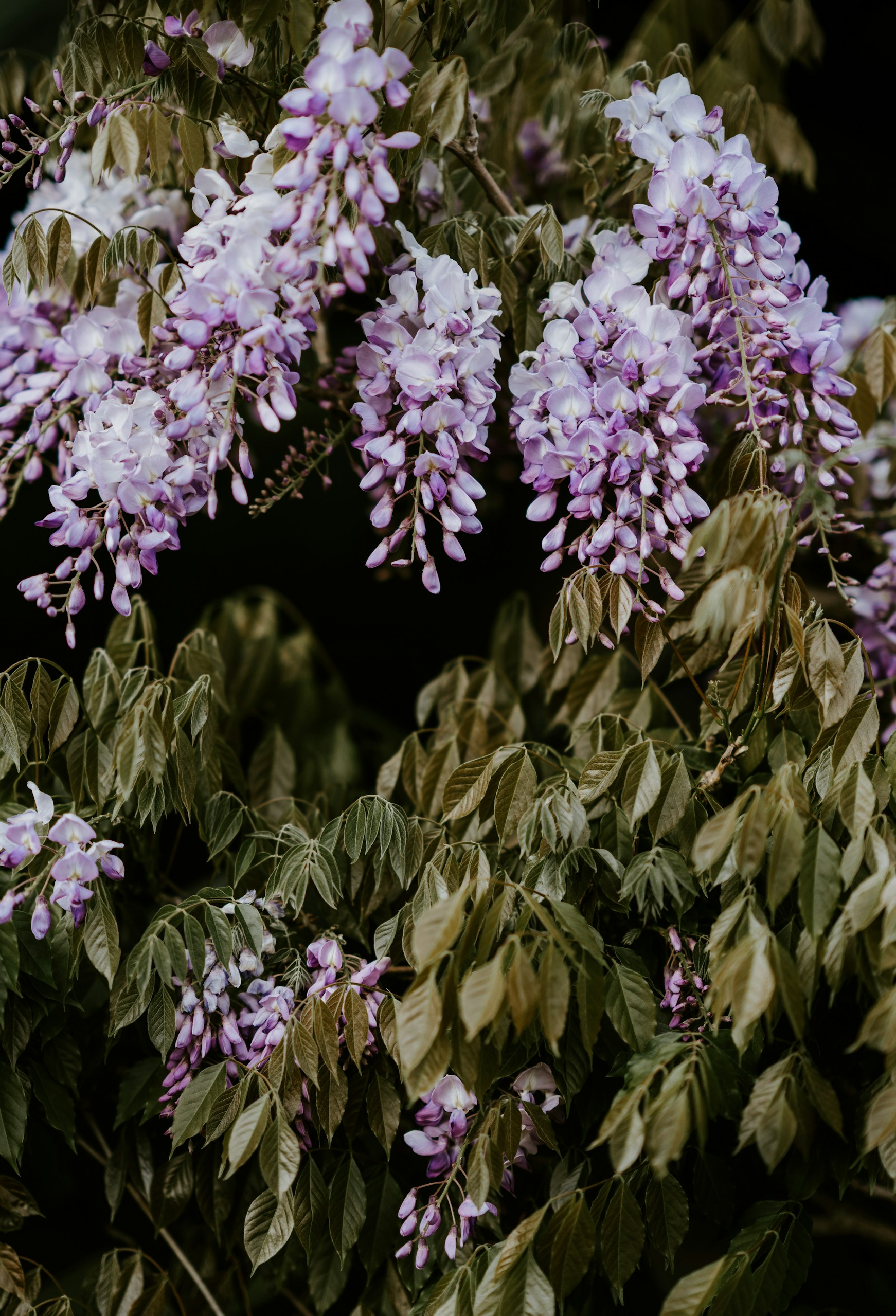
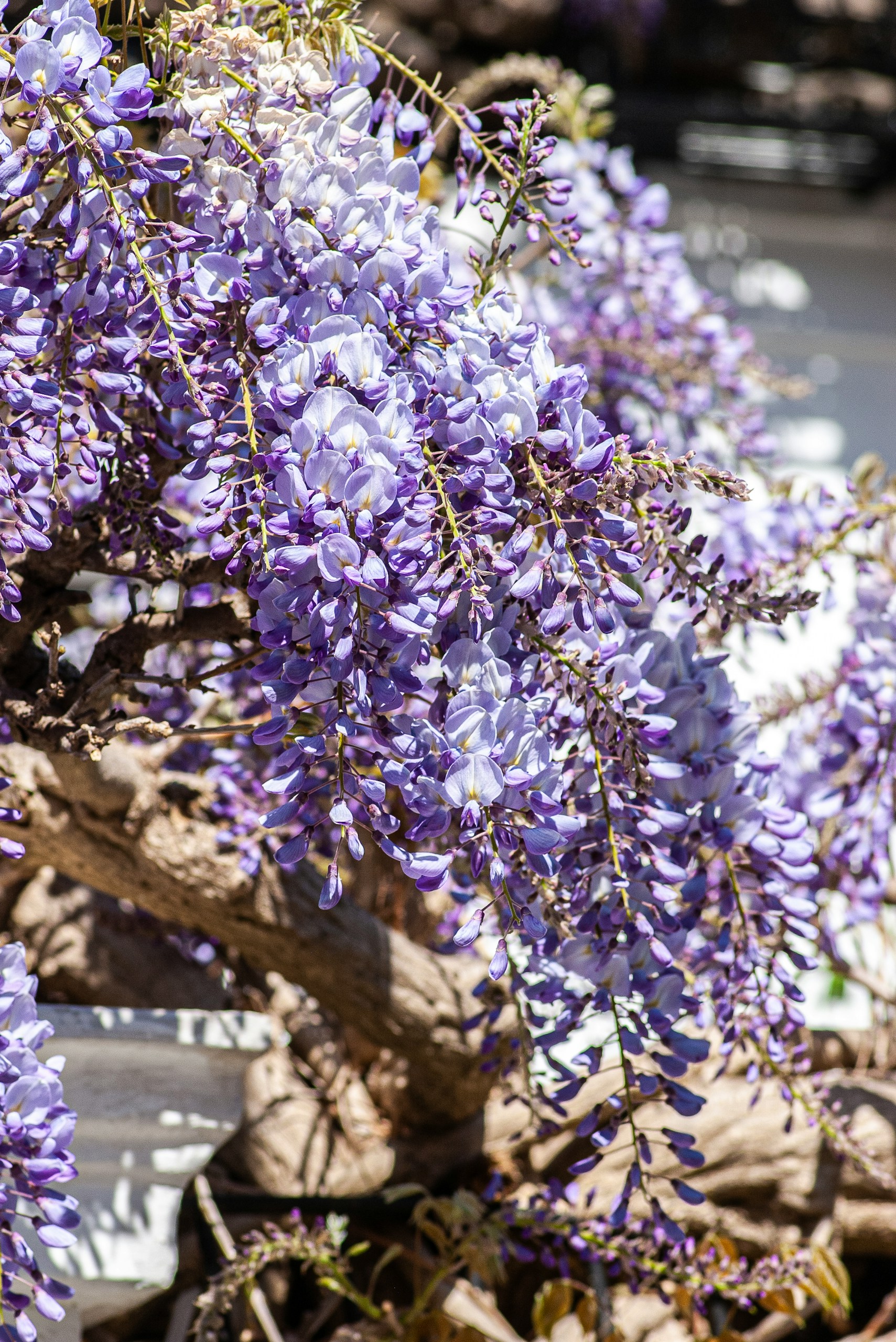
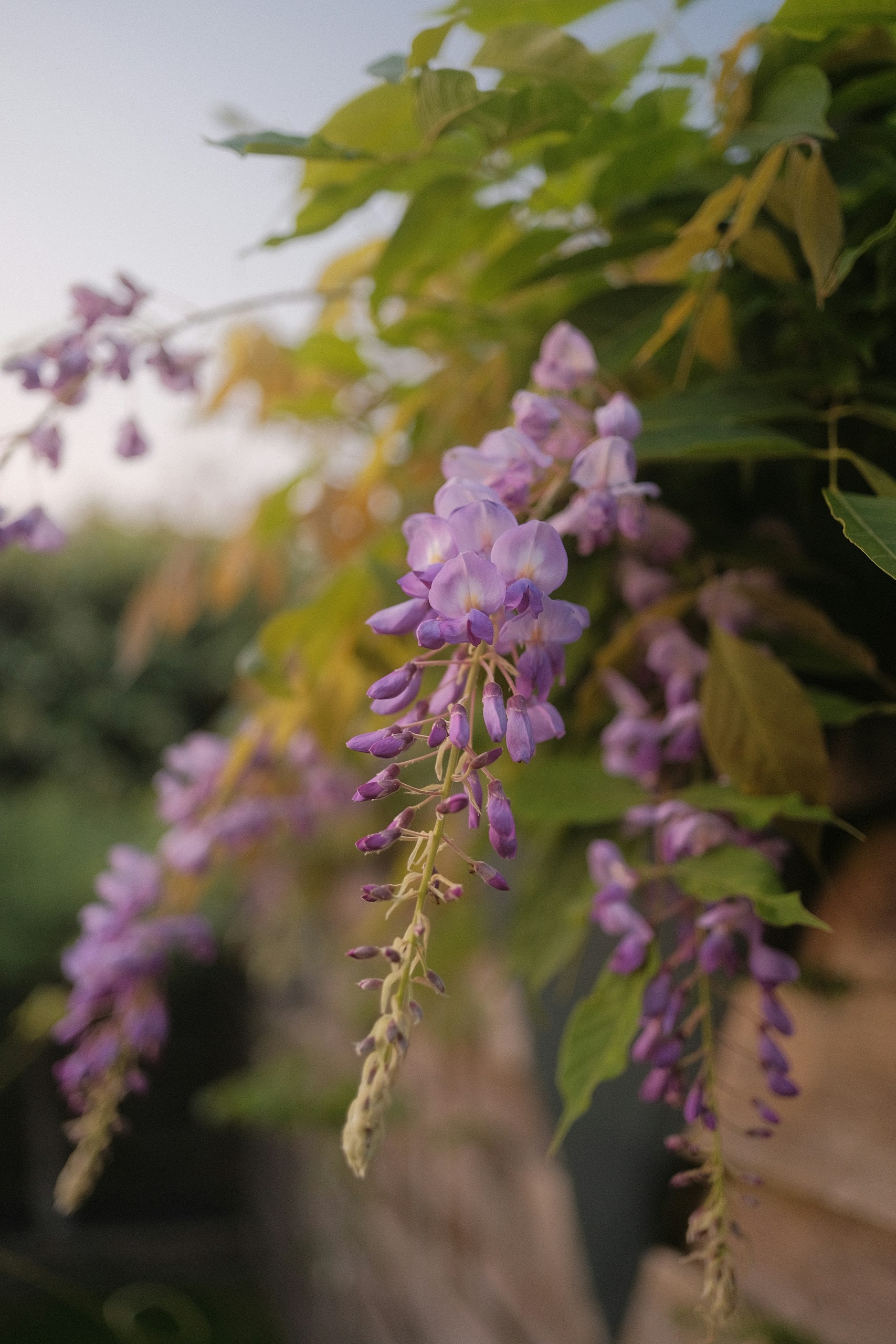
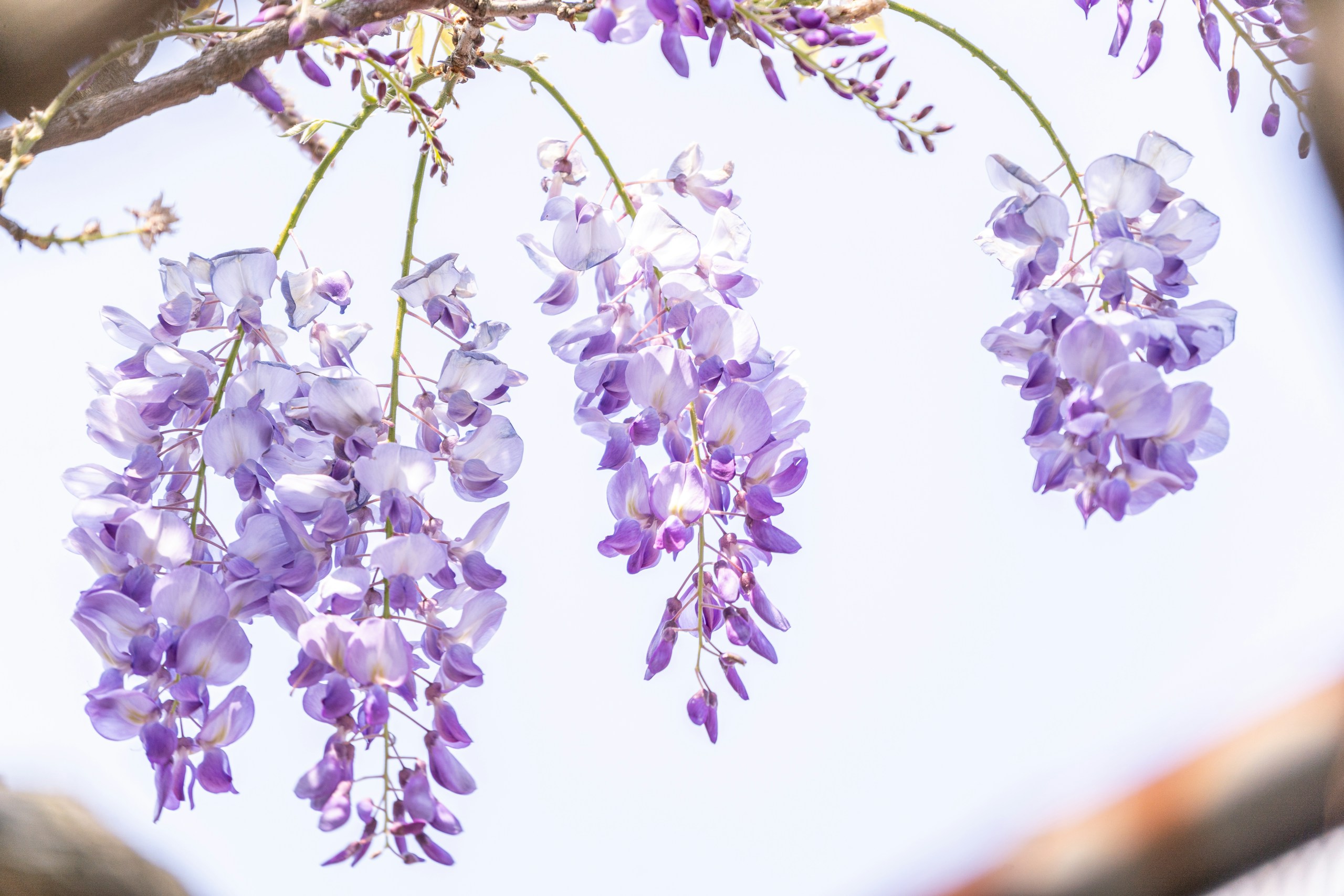
This gallery presents a curated selection of Wisteria bonsai images Photographs illustrate typical Wisteria bonsai forms, including informal upright and cascade styles, with clear views of trunk movement, branch placement and floral racemes at peak spring bloom. Close-up sequences show spring flower displays, the structure of racemes and bud formation to help you assess flowering health and vigour. Technical images demonstrate key pruning cuts — location of cuts, cutting back to buds for back-budding and maintenance pruning — alongside step‑by‑step repotting stages that highlight root pruning, nebari presentation and appropriate soil profile. Pot and presentation shots emphasise ideal pot styles and scale, root flare and surface composition to inspire styling choices and assist identification of healthy development. Use this gallery as a practical reference when styling, diagnosing common issues or preparing for repotting; contact Wolf Bonsai ltd further advice




Techniques and Visual Steps
Wolf Bonsai presents a clear visual how-to grid that pairs close-up images with concise text on wiring technique, branch pruning, root pruning and positioning. Each panel explains the purpose of the technique, optimal timing through the growth cycle and the common mistakes to avoid so growers can replicate the work safely and confidently. This section is tailored for bonsai practitioners seeking practical, supplier-led guidance on wiring, pruning and root work, and references the tools and materials available from Wolf Bonsai
Wiring: Shape with Care
Purpose, timing and common mistakes
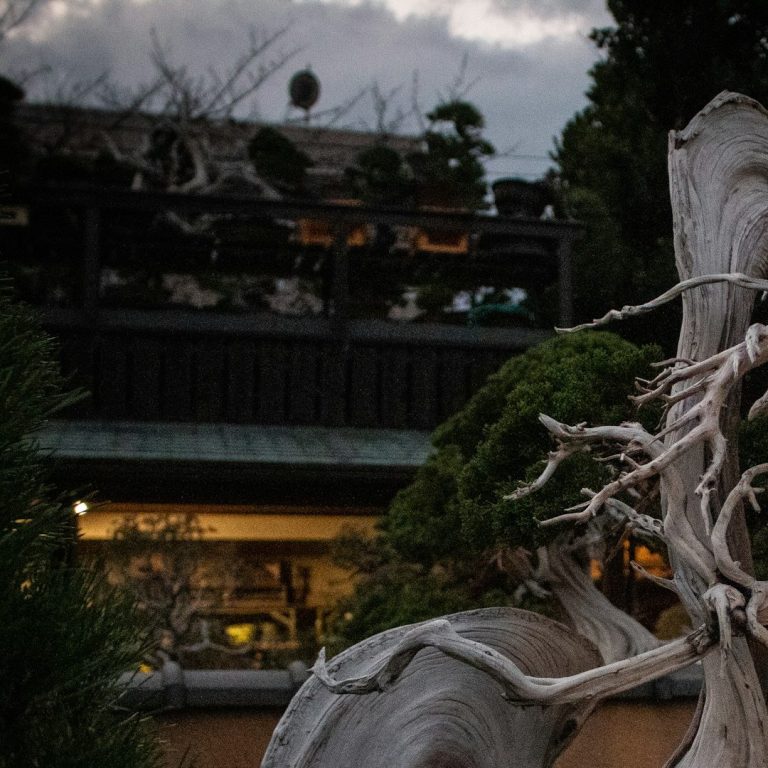
Purpose: Use wiring to guide branch movement, set major bends and establish long‑term shape without cutting. Timing: Best applied when sap flow is low — typically late winter to early spring for deciduous trees, and after a growth flush for many conifers. Technique: Select wire that is proportional to the branch diameter; choose wire roughly one third of the branch thickness. Anchor the wire to the trunk or a stable lower branch and coil it at a 45° angle, supporting the branch as you bend. Avoid bending beyond the branch’s natural tolerance and complete shaping in incremental adjustments. Check wired branches regularly and remove wire as soon as the shape sets. Common mistakes: Over‑wiring small, brittle branches; leaving wire in place until it cuts into bark; using a wire gauge that is too heavy or too light for the branch. Wolf Bonsai ltd supplies appropriate aluminium and copper wire sizes and can advise on selection for specific species.
Branch Pruning: Refine Structure
Purpose, timing and common mistakes
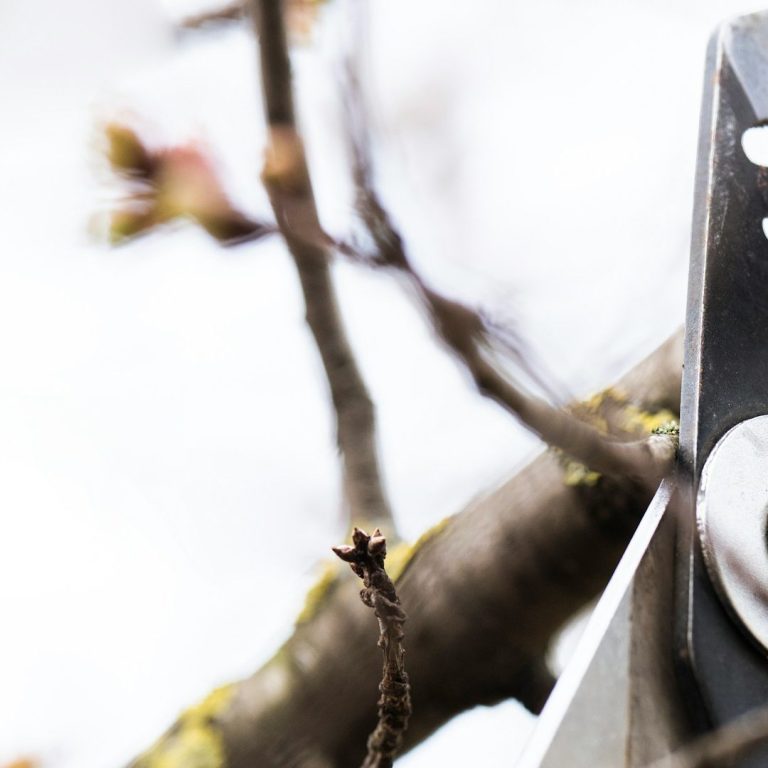
Purpose: Pruning refines primary structure, promotes ramification and removes crossing or inward‑growing shoots to improve light penetration and aesthetics. Timing: Undertake structural cuts in late winter when trees are dormant for minimal sap loss; perform light maintenance pruning through the growing season to control new shoots. Technique: Use the correct tool for the cut — concave cutters for primary branches, sharp scissors for finer shoots. Make clean cuts just outside the branch collar to encourage correct healing. When reducing back to a bud, choose an outward‑facing bud to maintain desired direction. Disinfect tools between cuts to reduce disease transmission. Common mistakes: Leaving stubs that impede healing, removing too much foliage at once, cutting into the trunk collar and damaging the tree’s ability to seal wounds. Wolf Bonsai stocks specialist bonsai cutters to suit your pruning task
Root Pruning: Healthy Foundation
Purpose, timing and common mistakes
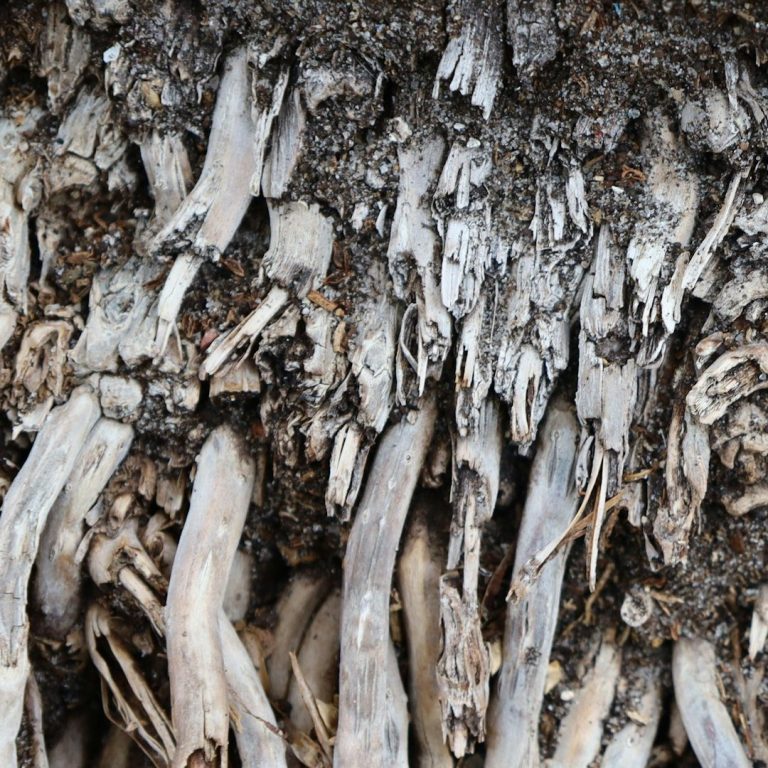
Purpose: Root pruning controls pot‑bound growth, encourages a dense network of feeder roots and allows restyling or pot changes while keeping the tree healthy. Timing: Carry out root pruning at the time of repotting, commonly late winter or early spring when the tree is about to break dormancy; frequency depends on species and age — from yearly for young trees to several years for mature specimens. Technique: Remove the tree from its pot and gently tease out the root ball. Trim back thicker, long roots and shorten fibrous roots to encourage new fine roots; a common guideline is to remove around one third of the root mass when repotting, adjusting for species vigour. Replace with a free‑draining bonsai substrate and firm the soil to eliminate air pockets. Provide careful aftercare watering and shade while roots reestablish. Common mistakes: Over‑pruning the root mass, leaving large air gaps, using unsuitable heavy composts that retain too much water and neglecting post‑repot recovery. Wolf Bonsai supplies bonsai compost blends, root rakes and pruning tools
Positioning and Display: Balance and Rhythm
Purpose, timing and common mistakes
Purpose: Correct positioning in the pot defines the tree’s frontal view, emphasises nebari and trunk movement, and creates visual balance between foliage mass and container. Timing: Positioning is set during styling and repotting phases; refresh position when repotting or after major wiring to settle the design. Technique: Determine the intended front and place the trunk so the best nebari and line are visible. Plant with the root flare slightly above the soil surface where appropriate and use anchoring wires through drainage holes for tall or top‑heavy specimens. Check the tree from multiple angles and adjust to avoid an overly centred, static composition. Common mistakes: Burying the nebari, centring the trunk without regard for movement, planting too deep or leaving the tree unstable in the pot. Wolf Bonsai offers guidance on pot selection and anchoring techniques to achieve a stable, expressive presentation.
Quick Tips & Monthly Care
Practical month-by-month notes for a UK climate, prepared by Wolf Bonsai ltd in Wolverhampton. Use these concise prompts during routine maintenance and seasonal planning. Guidance is tailored for outdoor bonsai commonly kept in the British Midlands and covers spring bud management and feeding, summer training and watering adjustments, autumn root checks and reduced feeding, and winter protection and dormant pruning. Image keywords: bonsai, care
Spring — Bud Management and Feeding
March to May: inspect trees as buds swell, begin light feeding when active growth appears and soils are warming. Pinch or trim spring buds on deciduous species to encourage ramification, taking care not to remove too many new shoots at once. For repotting candidates, prepare for root work just before bud burst; most repotting is best carried out in late winter or very early spring for temperate species. Increase feeding frequency to every one to two weeks using a balanced fertiliser while growth is vigorous, and monitor soil moisture after wetter winter months. Image keywords: pruning, fertiliser
Summer — Training and Watering Adjustments
June to August: continue wiring and structural work while growth is strong, but check wire every few weeks to avoid cutting in. Consider a selective defoliation for broadleaf trees early in the season to refine ramification, leaving enough foliage to sustain the tree. Watering will need to increase in warm spells; water thoroughly in the morning and again if the surface dries quickly, taking care to avoid waterlogged compost after heavy rain. Provide temporary shade during heatwaves and ensure pots have good drainage. Image keywords: watering, wiring
Autumn — Root Checks and Reduced Feeding
September to November: begin to reduce feeding as temperatures fall, giving a final balanced feed in early autumn and tapering off by late October for most species. Carry out root inspections for drainage, pests and disease when conditions are dry enough to handle pots safely; do not perform major root reductions unless you plan to repot at the correct seasonal time. Clear fallen leaves from the surface and check that pot drainage holes remain free. Prepare trees for harder weather by reducing watering gradually while maintaining soil moisture. Image keywords: roots, drainage
Winter — Protection and Dormant Pruning
December to February: protect tender subjects from prolonged frost and driving winds by moving them to a sheltered location, cold frame or unheated greenhouse as required for the species. Keep compost slightly moist but avoid overwatering; avoid routine feeding while trees are dormant. Carry out structural or dormant pruning in late winter when trees are fully dormant and before bud swell, prioritising clear cuts and sanitation of tools. For subtropical or tropical bonsai, provide frost-free conditions and stable humidity during cold snaps. Image keywords: protection, pruning