Cultivating Indoor Bonsai: Your Guide to Thriving Trees
Indoor bonsai trees are not just plants; they are a commitment to nurturing life in your home. At Wolf Bonsai, we believe that understanding the specific needs of these unique trees is crucial for their health and longevity. This guide covers the essential elements of indoor bonsai care, ensuring both beginners and experienced enthusiasts can create a thriving indoor garden.
Watering Your Indoor Bonsai: Essential Techniques
Watering is one of the cornerstones of indoor bonsai care. It is imperative to maintain a consistent moisture level in the soil without over-watering, which can lead to root rot. We recommend checking the topsoil regularly; when it feels dry to the touch, it's time for a drink. Additionally, using filtered water can enhance the overall health of your bonsai.
Light Requirements: Finding the Perfect Spot
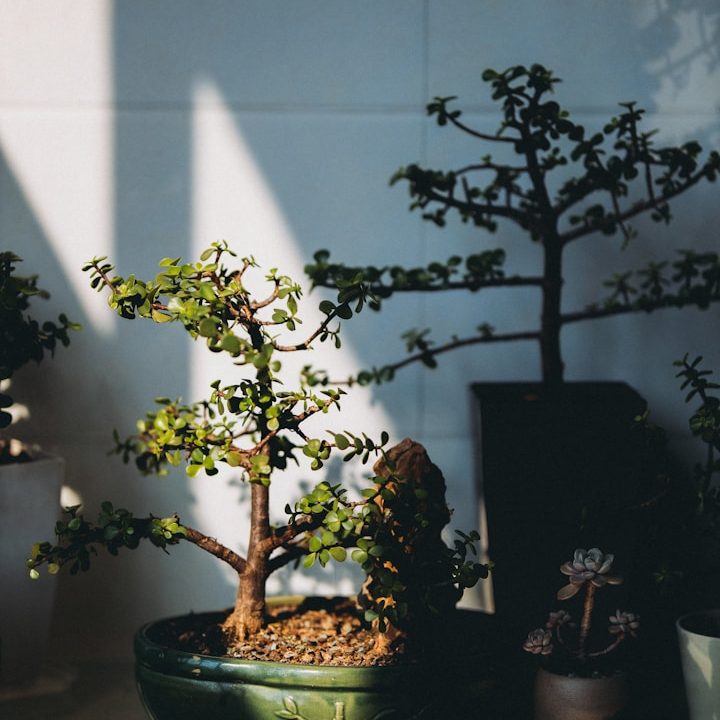
Light is vital for our bonsai's health and growth. Ideally, your indoor bonsai should receive bright, indirect sunlight for several hours a day. South-facing windows are often the best location, but be cautious of direct sunlight which can scorch the leaves. In low-light conditions, consider using grow lights to supplement the natural light and keep your bonsai flourishing.

Pruning Techniques for Healthy Growth
Pruning is essential in shaping your bonsai and promoting new growth. Regular pruning helps maintain the desired aesthetic while ensuring that your tree remains healthy. We suggest pruning during the growing season to encourage quick healing. Learn to recognise which branches to trim and remember: less is often more when it comes to shaping your bonsai.
Choosing the Right Soil and Fertiliser
Selecting the appropriate soil and fertiliser is crucial for your indoor bonsai's health. A well-draining bonsai soil mix will provide the necessary aeration for the roots while retaining enough moisture. Every few weeks, during the growing season, a balanced fertiliser will support your tree's development. Tailoring your approach according to the specific type of bonsai will yield the best results.
Unlock the Art of Outdoor Bonsai with Wolf Bonsai
Caring for outdoor bonsai trees requires an understanding of their seasonal needs and environmental requirements. In spring, when the threat of frost has passed, it's crucial to repot your bonsai if necessary. This is the time when the roots are beginning to grow again, and fresh soil can provide essential nutrients. Choose a well-draining soil mix and prune the roots gently to encourage new growth. Fertilising with a balanced, slow-release fertiliser is also beneficial at this time, promoting healthy leaf and branch development as the tree prepares for the growing season.
As summer arrives, heightened temperatures and increased sunlight necessitate a careful watering regimen. Outdoor bonsais should be watered thoroughly, allowing the topsoil to dry out slightly between waterings to prevent root rot. Pay particular attention to their position—if in full sun, they may require more frequent watering. Additionally, this is the time to shape and prune your bonsai; focus on trimming new growth to maintain the desired aesthetic. Ensure that you regularly check for pests, particularly aphids and spider mites, which can thrive in warm conditions.
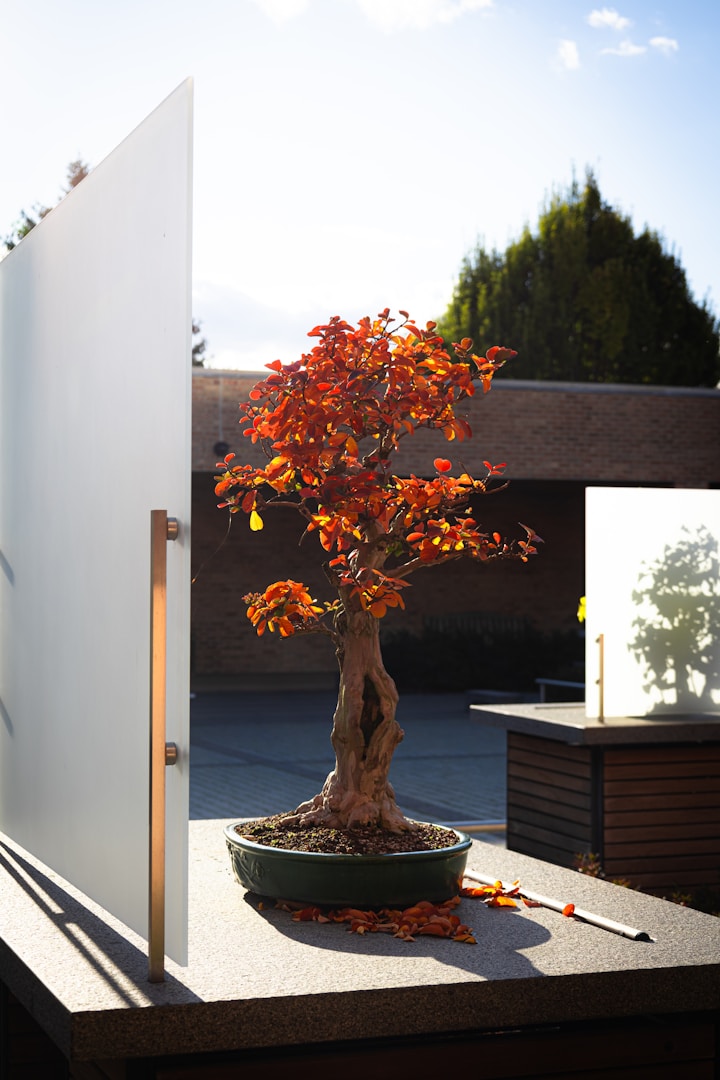
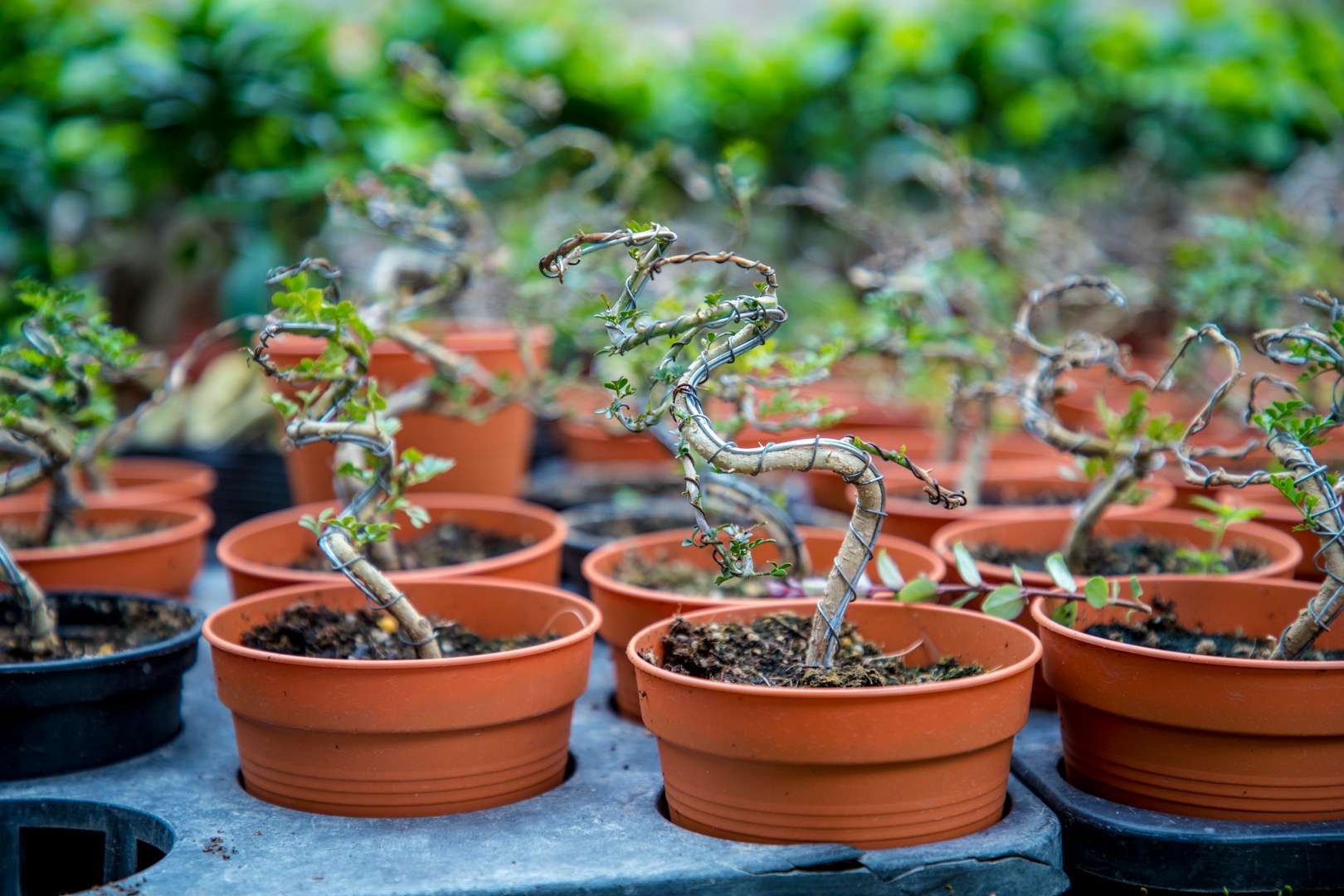
Autumn signals a transition for outdoor bonsai, as the trees begin to prepare for dormancy. Reduce fertilisation, as the trees will be slowing their growth, and begin to taper off watering as well. It's also an ideal time for wiring, which can be done as the leaves change colour. However, be cautious not to wire too tightly or to damage any branches. By late autumn, as temperatures drop, consider moving your bonsai to a sheltered area to protect it from extreme weather conditions, especially frost, as many species are vulnerable to freezing temperatures.
Winter care is critical for outdoor bonsai as they enter dormancy. Ensure that your bonsai is adequately protected against severe cold—this may include wrapping pots with insulating materials or relocating them to a cold frame. Regularly check for moisture in the soil, as trees in pots may dry out more quickly than those in the ground. If snow or ice accumulates, gently remove it to prevent breakage of branches. This is also the ideal season to assess the overall health of your bonsai and adjust your care techniques in anticipation of the spring growth cycle.
Throughout the year, it's important to observe your bonsai closely and adjust your care according to its specific needs. Local climate variations, tree species, and individual health can all influence how your bonsai should be cared for. Maintaining a careful balance of watering, fertilising, pruning, and protection from seasonal elements will support the long-term health and beauty of your outdoor bonsai. Regular checks and a responsive approach will ensure that your bonsai thrives season after season.