
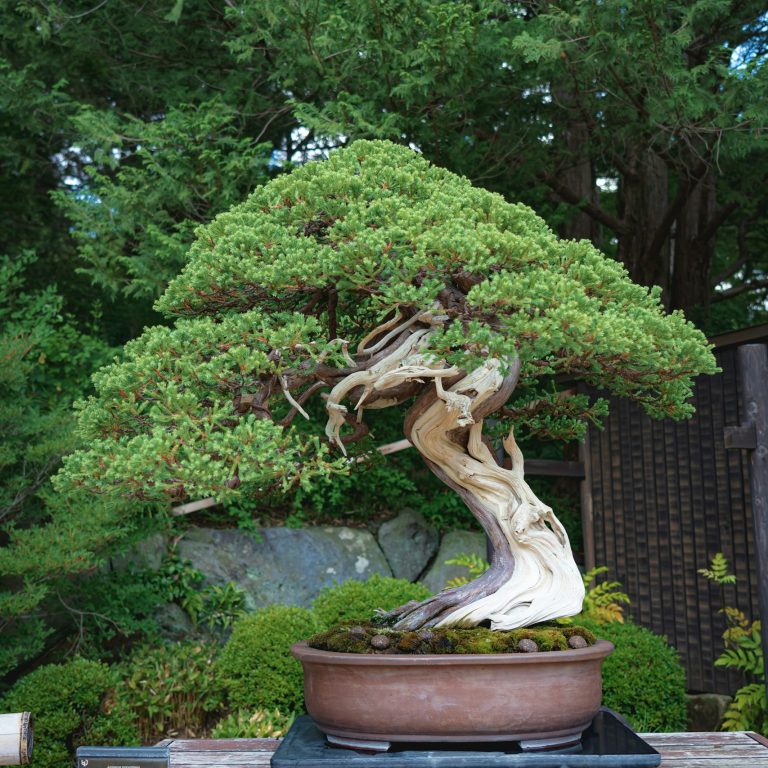
Discover the Beauty of Larch Bonsai
A Journey into the World of Larch Trees
At Wolf Bonsai, we invite you to explore the fascinating world of Larch bonsai. Originating from colder regions of the northern hemisphere, the Larch tree is unique among conifers, as it sheds its needles each autumn. This distinctive characteristic, combined with its graceful form, makes it an alluring species for bonsai enthusiasts. Larch bonsai are celebrated not only for their striking seasonal changes but also for their adaptability and resilience. Understanding the Larch’s growth patterns and care requirements is vital for nurturing these trees to their full potential. With proper techniques in watering, pruning, and positioning, you can cultivate a vibrant Larch bonsai that reflects the natural beauty of its species. Join us at Wolf Bonsai to deepen your knowledge and perfection your skills in bonsai care. Whether you are a novice or a seasoned cultivator, gaining insight into the Larch will enhance your bonsai journey.
Maximising Your Larch Bonsai's Potential
Adequate placement and light are crucial for the health of your Larch bonsai. These elegant trees thrive in environments that mimic their natural habitat, ensuring they develop strong roots and luscious foliage. When selecting a spot for your bonsai, consider factors such as indoor versus outdoor placement, seasonal variations, and the specific light needs of Larch bonsai.
Optimal Indoor Placement
For indoor environments, positioning your Larch bonsai near a bright window is essential. South-facing windows provide ample sunlight, which is necessary for photosynthesis. If natural light is limited, using grow lights can supplement the light requirements. Remember to avoid direct, harsh sunlight that might scorch the leaves. Monitoring humidity levels is equally important; dry indoor air can adversely affect your bonsai's health.
Perfect Outdoor Location
Outdoors, Larch bonsai flourish in a well-drained potting mix and require plenty of sunlight, ideally receiving at least six hours of direct sunlight daily. Morning sunlight is particularly beneficial, as it warms the plant gradually and reduces the risk of leaf scorch. Keep an eye on changing weather conditions; too much heat during peak summer can stress your tree, so providing a bit of shade during the hottest parts of the day can help.
Understanding Light Requirements
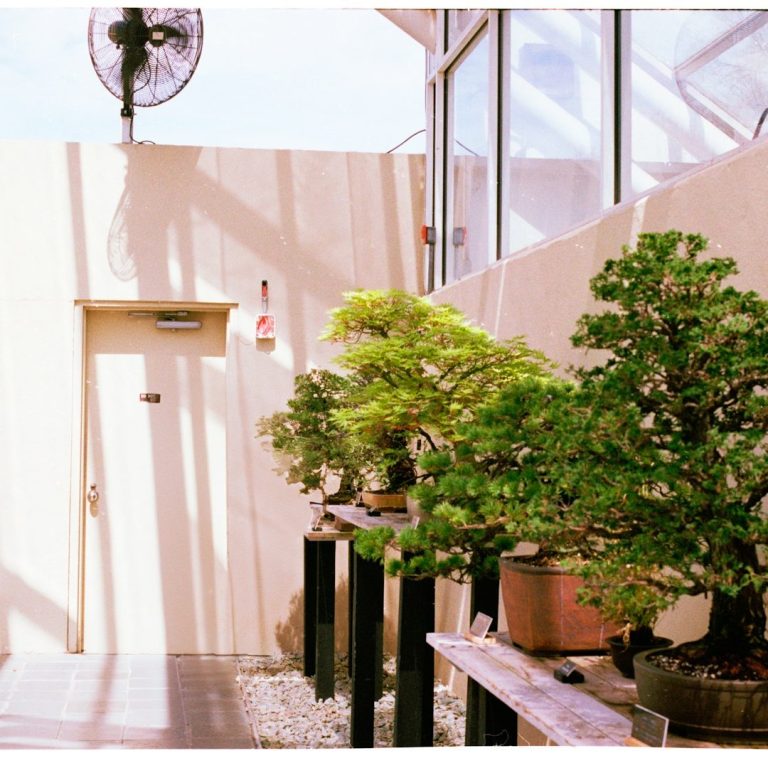
Larch bonsai prefer bright, indirect light when kept indoors but will also tolerate partial shade outdoors. Their light requirements can change with the seasons—less sunlight in the winter months means adjusting your care routine accordingly. Key signs of insufficient light include leggy growth, loss of colour, and leaf drop, so be vigilant and responsive to your bonsai's needs.
Creating the Ideal Environment
In conclusion, finding the perfect placement for your Larch bonsai and ensuring adequate light exposure will significantly enhance its growth and vitality. Regular maintenance, including rotating your bonsai for even light distribution and watching for environmental changes, will ensure you have a healthy and vibrant specimen that thrives beautifully, contributing to your home or garden.
Master the Art of Watering Your Larch Bonsai
Watering techniques are essential to the wellbeing of your Larch bonsai. These elegant trees, with their striking foliage, require careful attention to their watering needs to thrive. It is paramount to understand that the frequency of watering will depend on various factors, including the size of the pot, the type of soil used, and environmental conditions such as temperature and humidity. To determine when to water your Larch bonsai, check the topsoil first; if it feels dry to the touch, it is time to give your tree some much-needed hydration. When watering, it is vital to apply water evenly around the root zone to ensure that it reaches the entire root system. A common method is to use a watering can equipped with a fine spout, which allows for a gentle and even application of water. Ensure that excess water drains from the pot's base to prevent waterlogging, which can lead to root rot. A well-established Larch bonsai will usually benefit from thorough watering when needed, rather than frequent shallow watering. Maintaining the right moisture levels in the soil is crucial, as both overwatering and underwatering can harm your bonsai. During the hotter months, Larch bonsai may require more frequent watering, while in cooler, winter months, their needs will decrease. By monitoring your bonsai closely and adjusting your watering practices accordingly, you can ensure that your Larch remains healthy and vibrant throughout the year.
Nourishing Your Bonsai: The Key to Thriving Plants
Feeding your bonsai is just as crucial as ensuring it receives adequate water. At Wolf Bonsai, we understand that the right nutrition is vital for promoting robust growth and maintaining vibrant foliage. As a discerning bonsai owner, it's essential to choose the appropriate fertiliser types tailored to the specific needs of your bonsai species. Regular feeding schedules should be established, particularly during the growing season, to support the plants as they develop. Organic fertilisers, liquid feeds, and specially formulated bonsai fertilisers are excellent choices that deliver the necessary nutrients your trees require. We encourage our customers to understand their plants’ needs by observing their growth patterns and foliage health, adapting feeding strategies accordingly. Consult with our knowledgeable staff for personalised recommendations and guidance tailored to your bonsai’s specific requirements. By prioritising your bonsai’s nutrition, you will not only enhance its health but also significantly improve its aesthetic appeal, ensuring a beautiful focal point in your living space or garden.
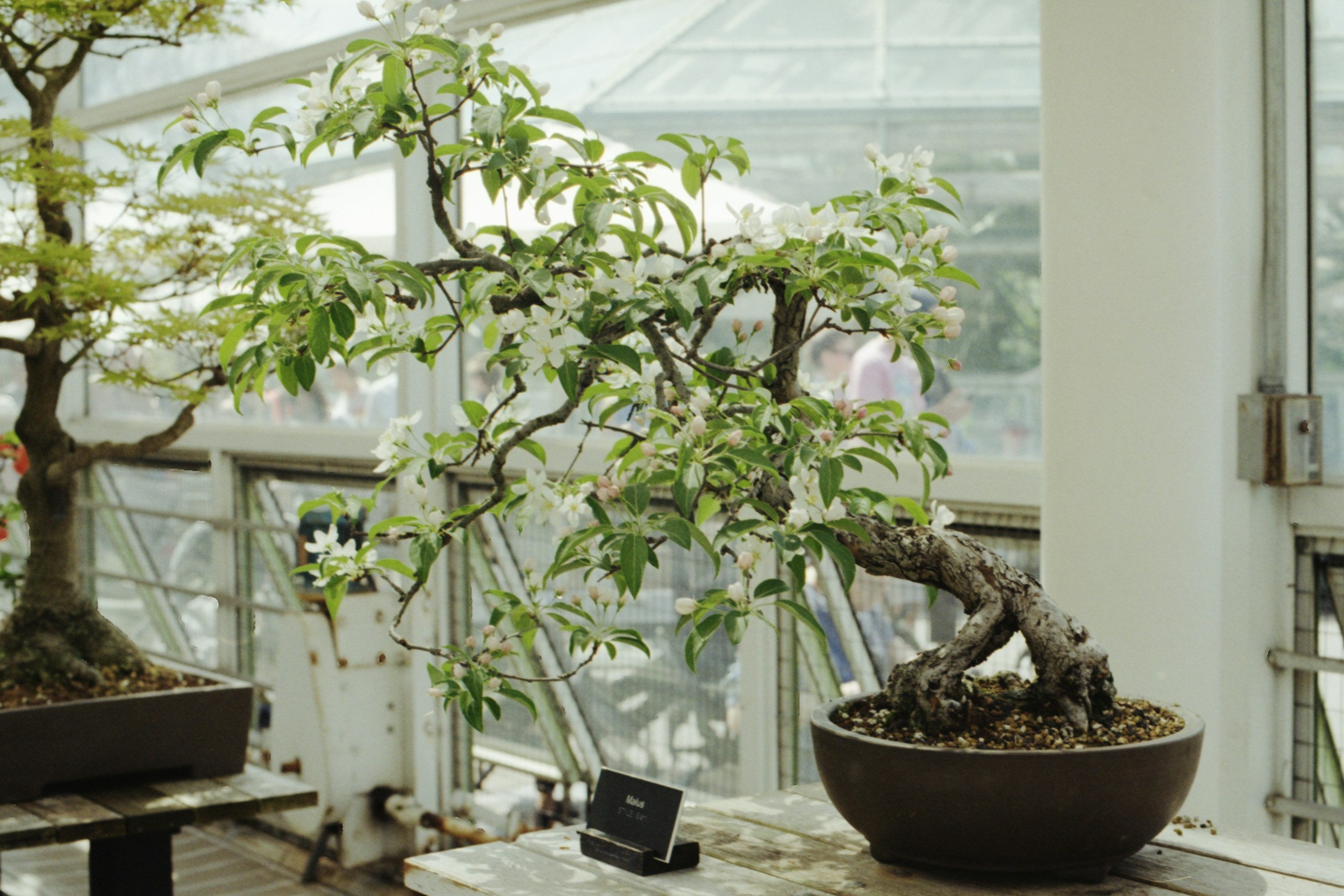
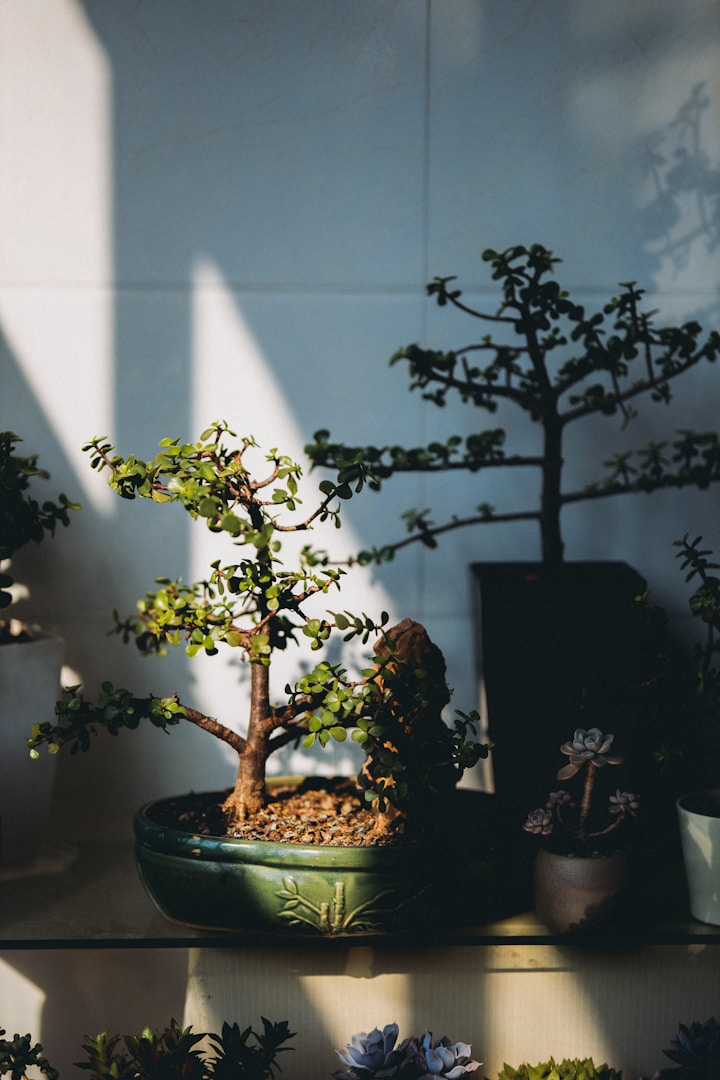
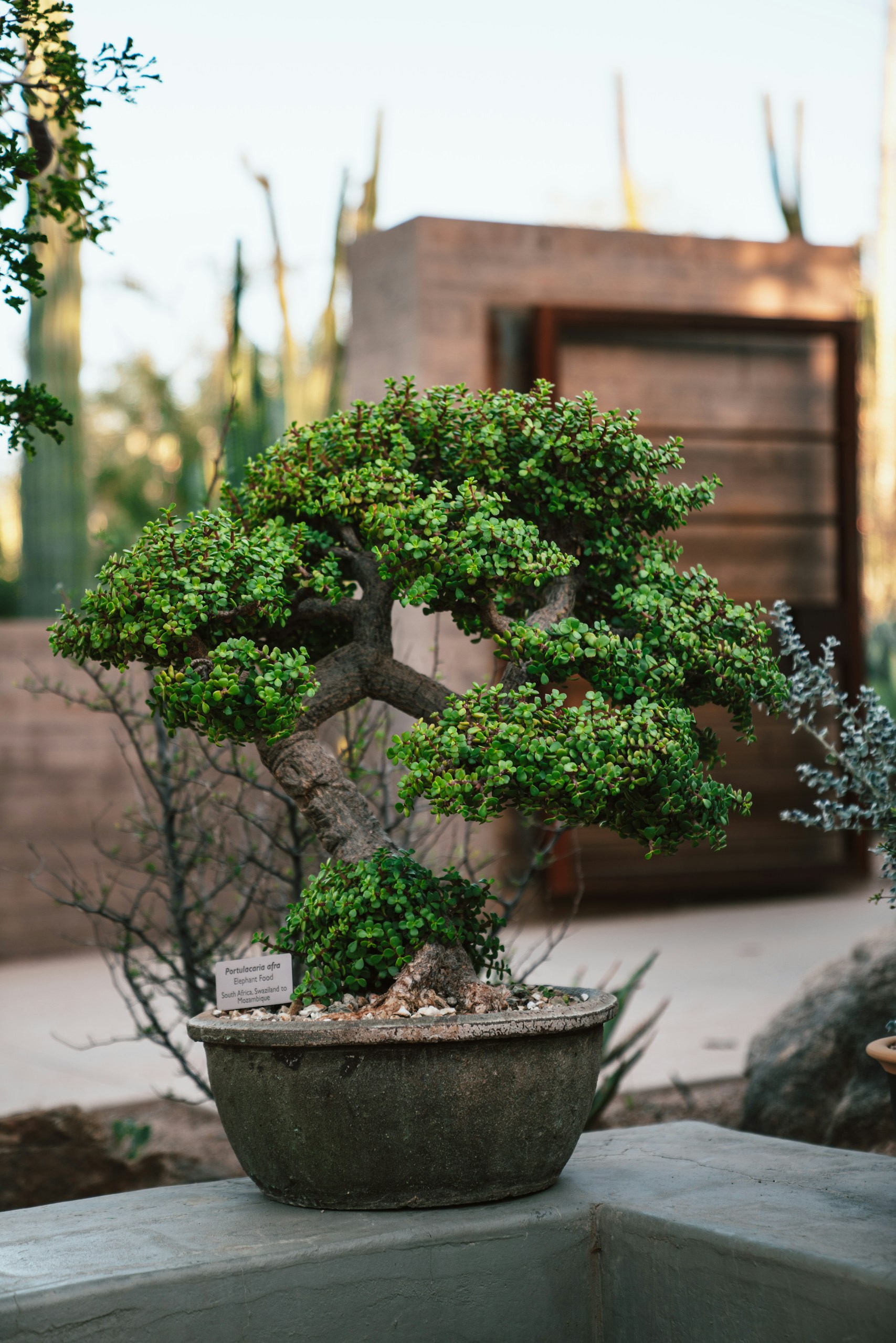
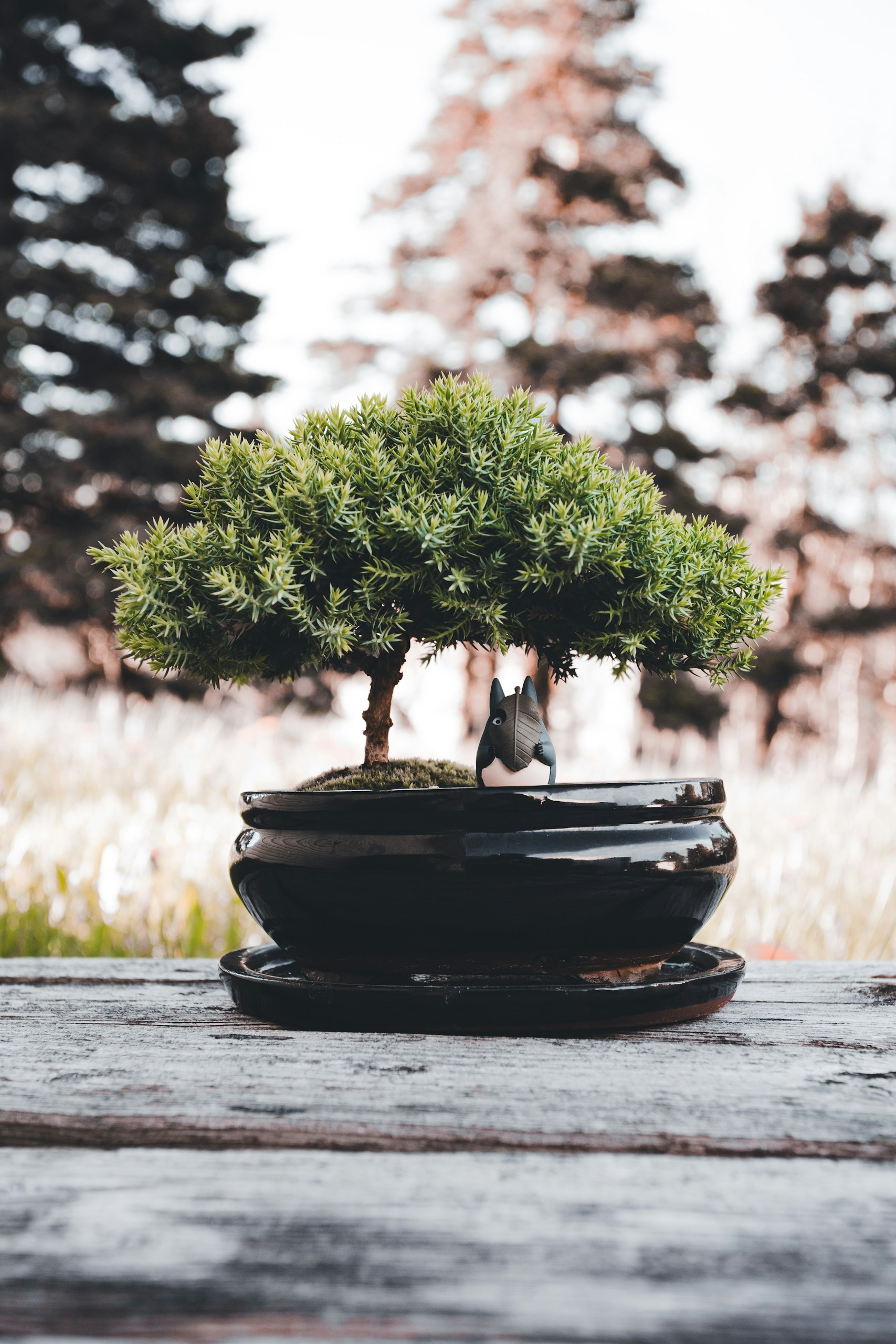
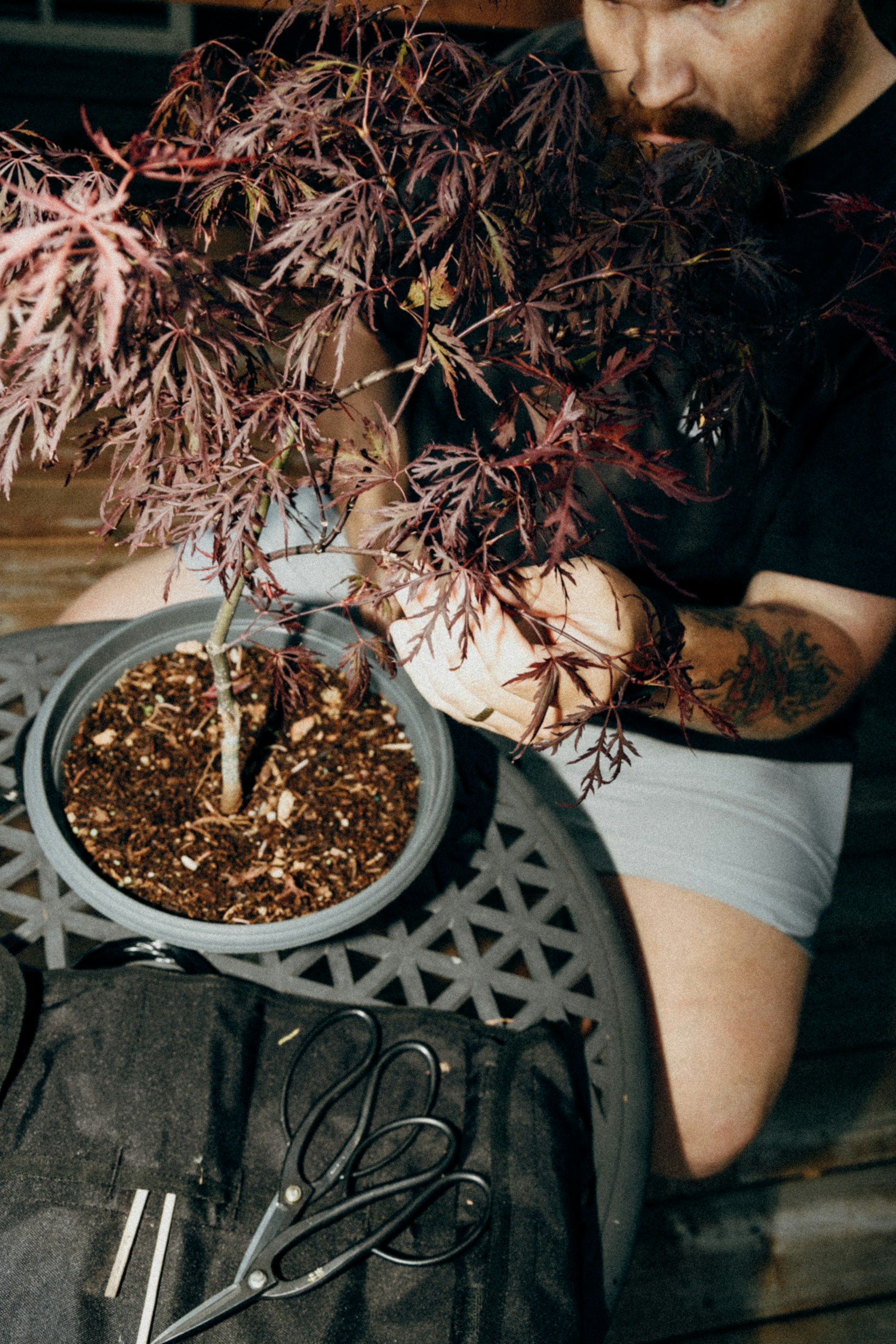
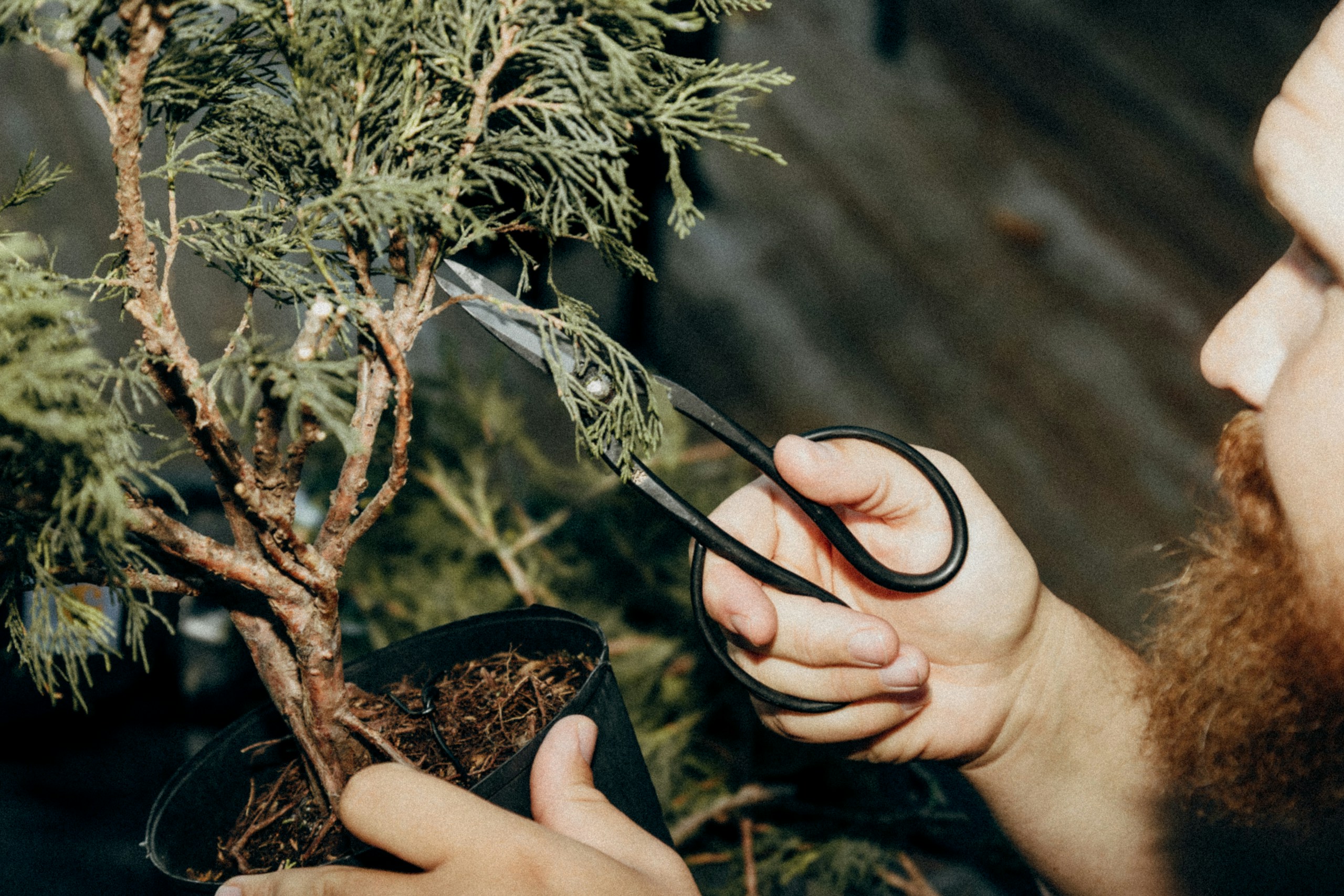
Enhance Your Space with Stunning Bonsai Imagery
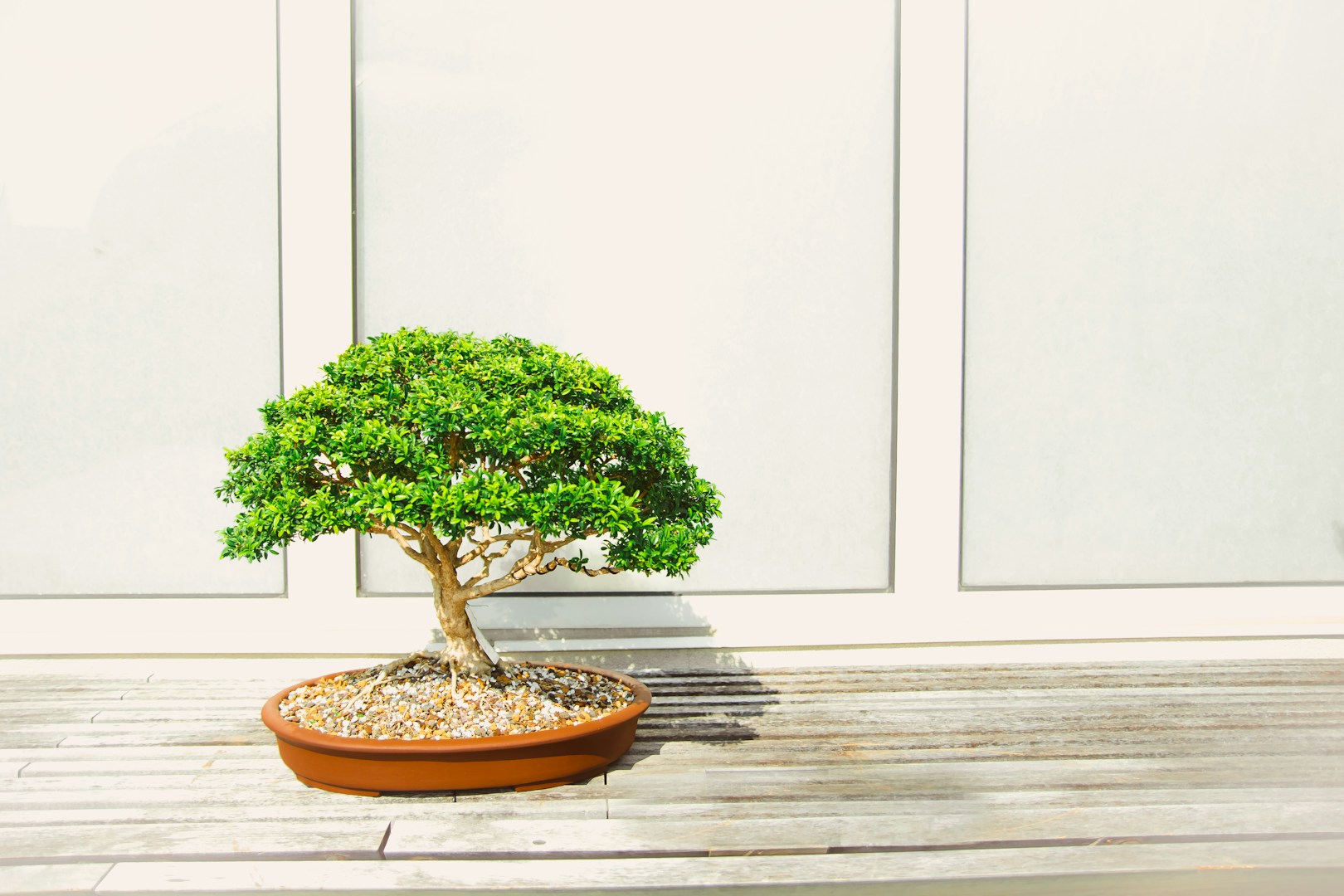
At Wolf Bonsai, we believe that a picture speaks a thousand words. That’s why we invite you to explore our gallery of exquisite bonsai plants that capture the essence of nature's artistry right in your home or office. Each image showcases the unique beauty and meticulous care that goes into nurturing our bonsai collection. Take a moment to immerse yourself in the tranquil world of bonsai, and let these images inspire your next green addition.
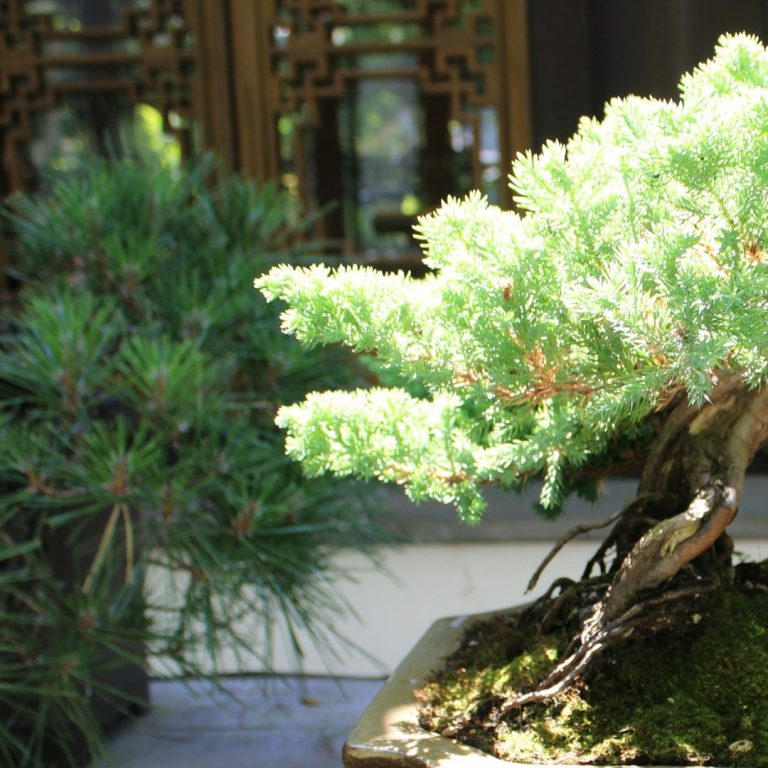
Elegant Juniper Bonsai
A Timeless Classic
Our Juniper Bonsai captures the elegance and resilience of nature with its twisted trunk and lush foliage. This beautiful piece is perfect for any indoor or outdoor setting, breathing life into your surroundings.
Radiant Ficus Bonsai
The Epitome of Zen
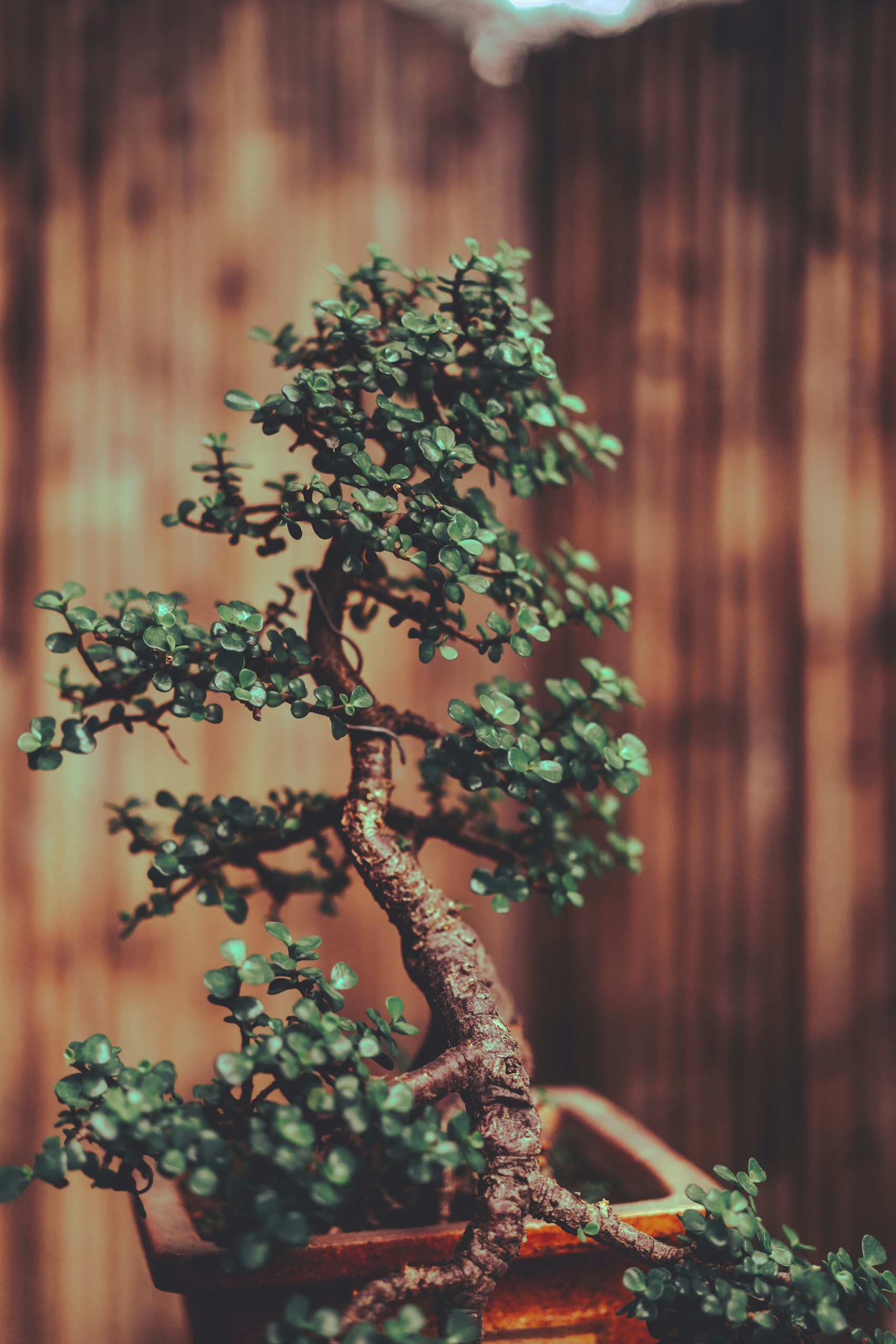
The Ficus Bonsai embodies tranquility and balance. Its glossy leaves and refined shape make it an ideal companion for meditation spaces, inviting calm and serenity into your daily routine.
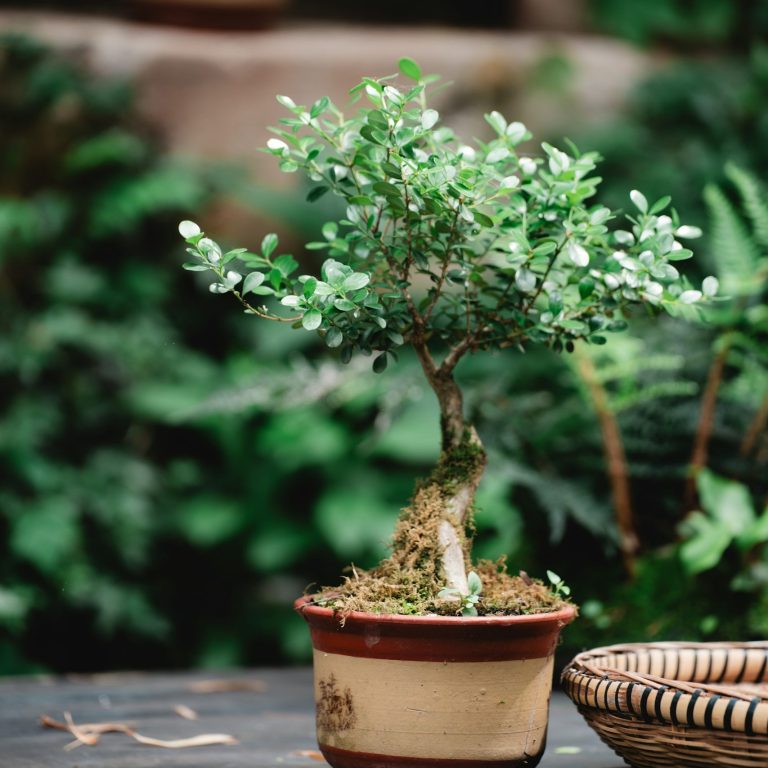
Striking Chinese Elm Bonsai
Beauty in Every Leaf
With its fine serrated leaves and graceful branches, the Chinese Elm Bonsai is a true work of art. Perfectly suited for both beginners and enthusiasts, this bonsai exemplifies the harmony of nature and finesse.
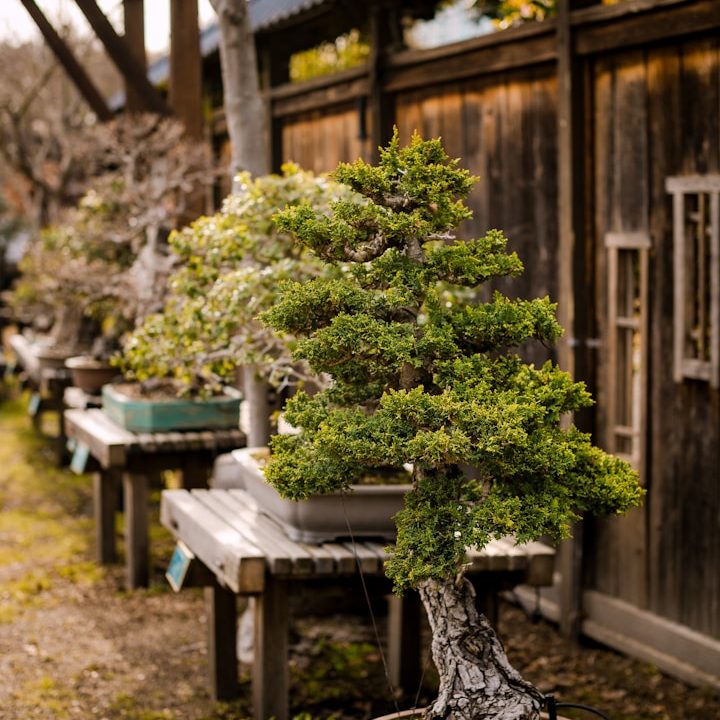
Majestic Pine Bonsai
Symbol of Endurance
Our majestic Pine Bonsai is not just a plant; it’s a symbol of perseverance and longevity. Its rugged appearance and impressive stature make it a striking centerpiece that tells a story of strength and resilience.
Essential Guide to Repotting Your Larch Bonsai
Repotting is a key part of Larch bonsai care. It is essential to understand when and how to effectively repot your bonsai to ensure its continued health and vitality. Larch trees, being deciduous conifers, require repotting every couple of years to promote root growth, refresh the soil, and prevent the plant from becoming pot-bound. The prime time for repotting is during early spring, just before the buds begin to swell. This timing allows the bonsai to recover quickly from the stress of repotting. Begin the process by gently removing the tree from its current pot. Take care to avoid damaging the roots — it may be beneficial to use a root hook to comb out the roots while assessing their health. Once the roots are free from the pot, inspect them closely. Trim any dead or rotting roots, and if the root ball is too densely packed, you may need to prune it for better nutrient absorption. Subsequently, select a new pot that is slightly larger in diameter while ensuring it has adequate drainage holes. Place a fresh bonsai soil mix at the bottom and position your tree appropriately, filling in the gaps with more soil. Press down gently to eliminate air pockets and provide stability for your bonsai. After repotting, water your Larch bonsai thoroughly and place it in a sheltered location to recover from the repotting process. Regular monitoring will be key to ensure that it thrives in its new environment.
Signs Your Larch Bonsai Needs Repotting
Being aware of the signs that indicate your Larch bonsai is due for repotting can prevent complications in its growth. If you notice roots emerging from the drainage holes at the bottom of the pot, or if water begins to collect on the soil surface rather than being absorbed, these are clear signs of needing to repot. Additionally, if your bonsai has not shown any growth in the new season despite proper care, it may suggest that it has become root-bound.
How to Choose the Right Pot for Repotting
Selecting the appropriate pot for your Larch bonsai during repotting is crucial. A pot that is too large can hold excessive moisture, leading to root rot, while a pot that is too small can stifle root development. Aim for a pot that provides a slight increase in size but still allows for adequate root coverage. Drainage is essential, so ensure the pot has sufficient holes to maintain the health of your bonsai.
Best Soil for Larch Bonsai
When repotting your Larch bonsai, choosing the right soil blend is vital for promoting healthy growth. A well-draining bonsai soil mix, often comprising components like akadama, pumice, and lava rock, is recommended. This mix helps retain the necessary moisture while allowing excess water to escape easily, preventing root rot.
Post-Repotting Care Tips
Following the repotting process, your Larch bonsai requires careful attention to ensure a successful recovery. Maintain a consistent watering schedule, taking care not to overwater. Keep the bonsai out of direct sunlight for a short period to prevent stress while it acclimatises to its new pot. Regularly check for pests and signs of disease as your tree adjusts.