
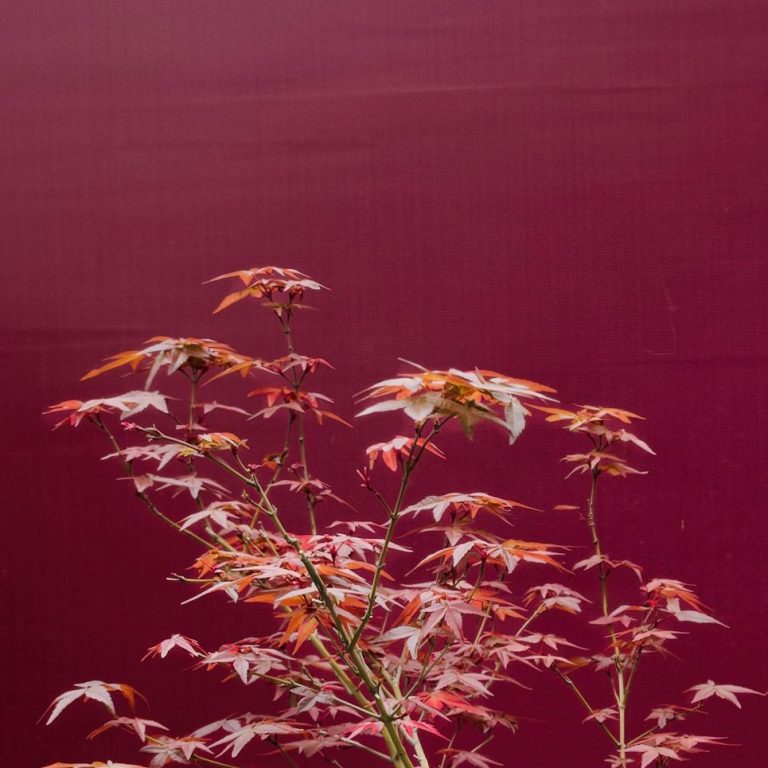
Japanese Maple Bonsai Care Guide
An Insight into its Unique Qualities
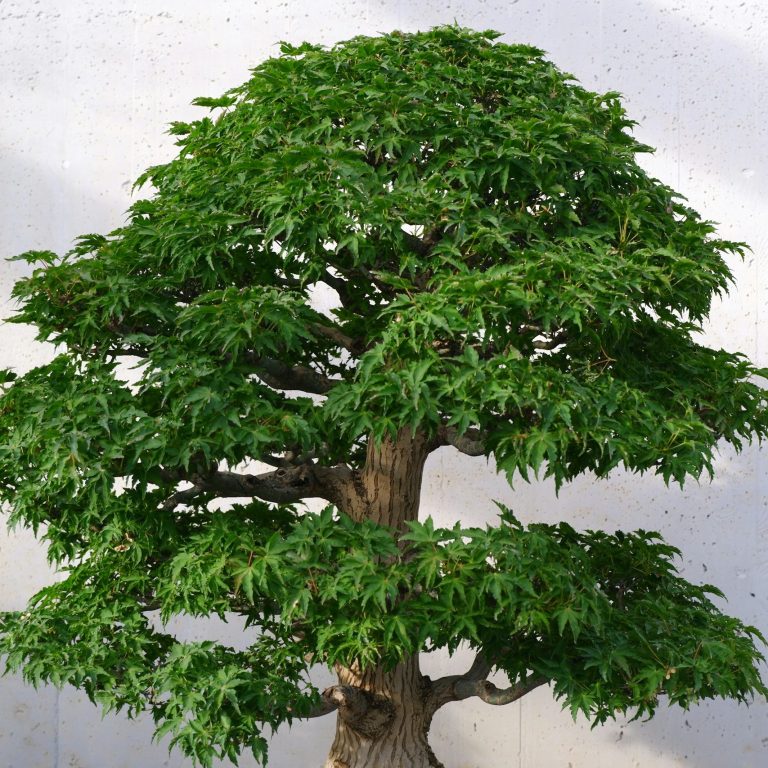
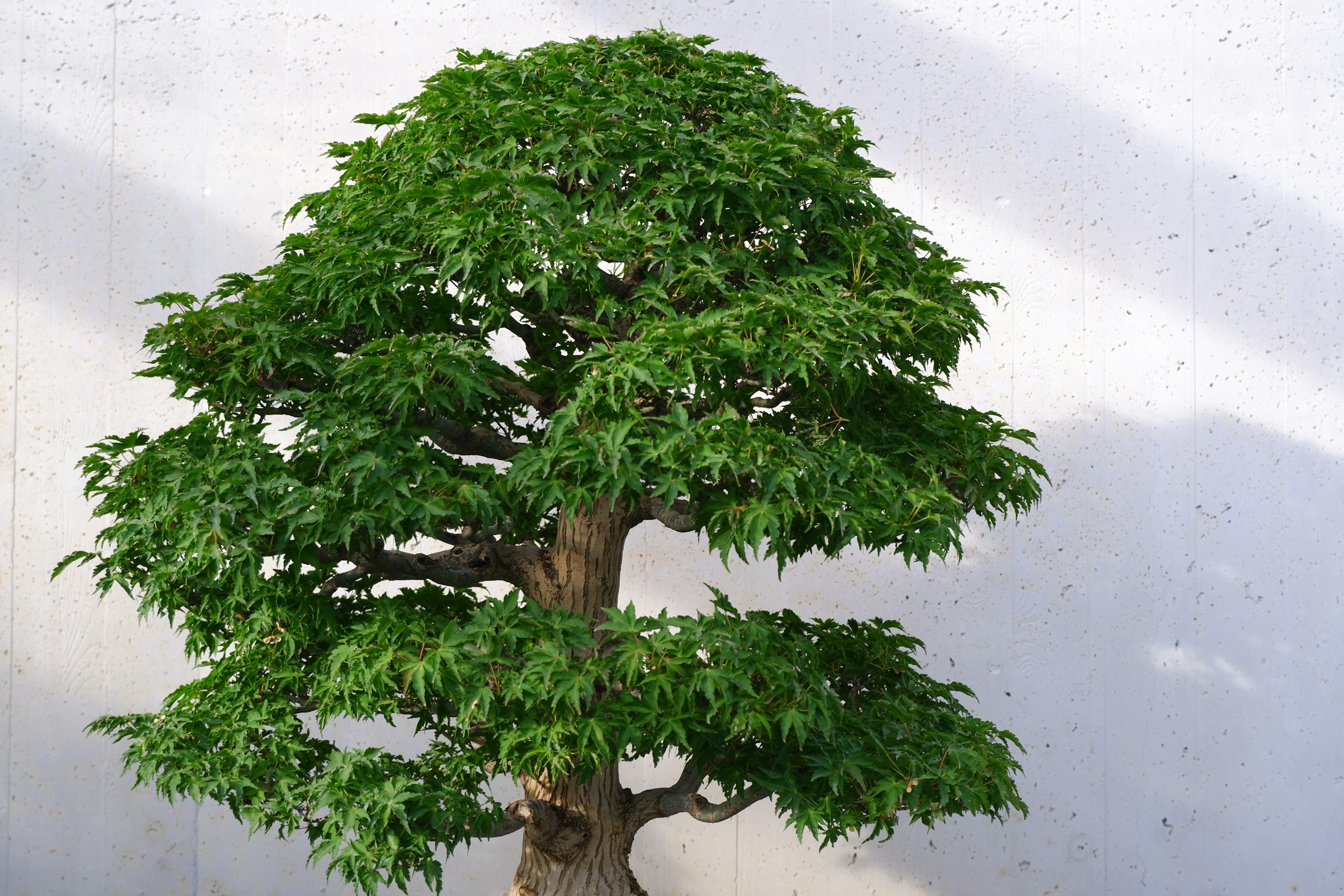
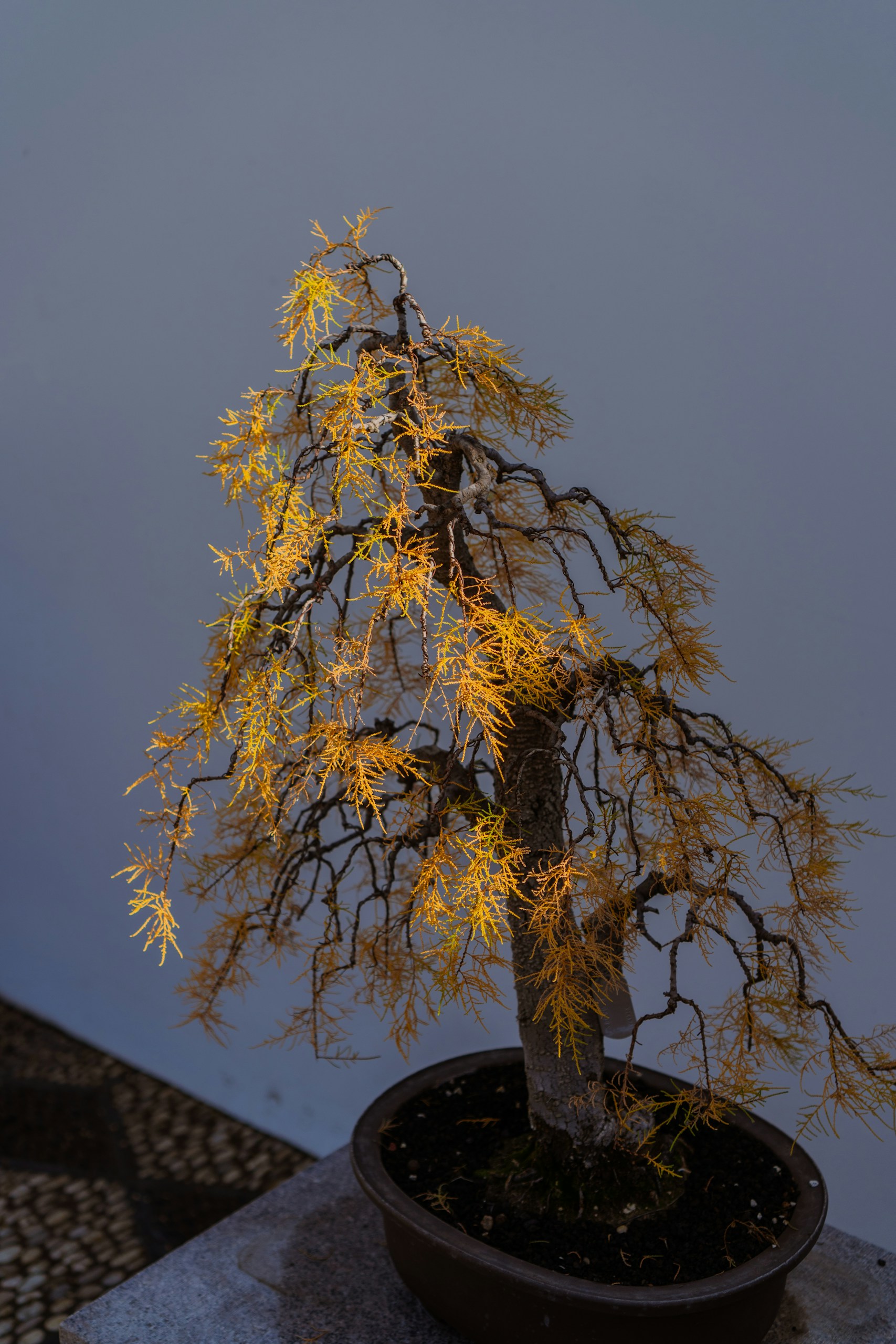
At Wolf Bonsai, we invite you to discover the unique qualities of the Japanese maple bonsai. With its striking foliage and delicate structure, this species is not only a stunning addition to any collection but also a representation of traditional Japanese horticultural artistry. Understanding the characteristics of the Japanese maple bonsai is key to providing optimal care. Japanese maples, known for their vibrant autumn colours and intricate leaf shapes, require particular attention to detail in their cultivation. These trees thrive in well-drained soil and appreciate filtered sunlight, making them ideal for outdoor settings with late afternoon shade. Regular pruning and wiring is essential to maintain their elegant form and promote healthy growth. Additionally, being aware of their susceptibility to pests and diseases will allow you to take proactive measures to protect your bonsai. With the right knowledge and care, your Japanese maple bonsai can flourish and provide beauty for many years to come. Join us at Wolf Bonsai and expand your understanding of these remarkable trees, ensuring they are nurtured in the best possible conditions.
Maximise Your Bonsai's Potential
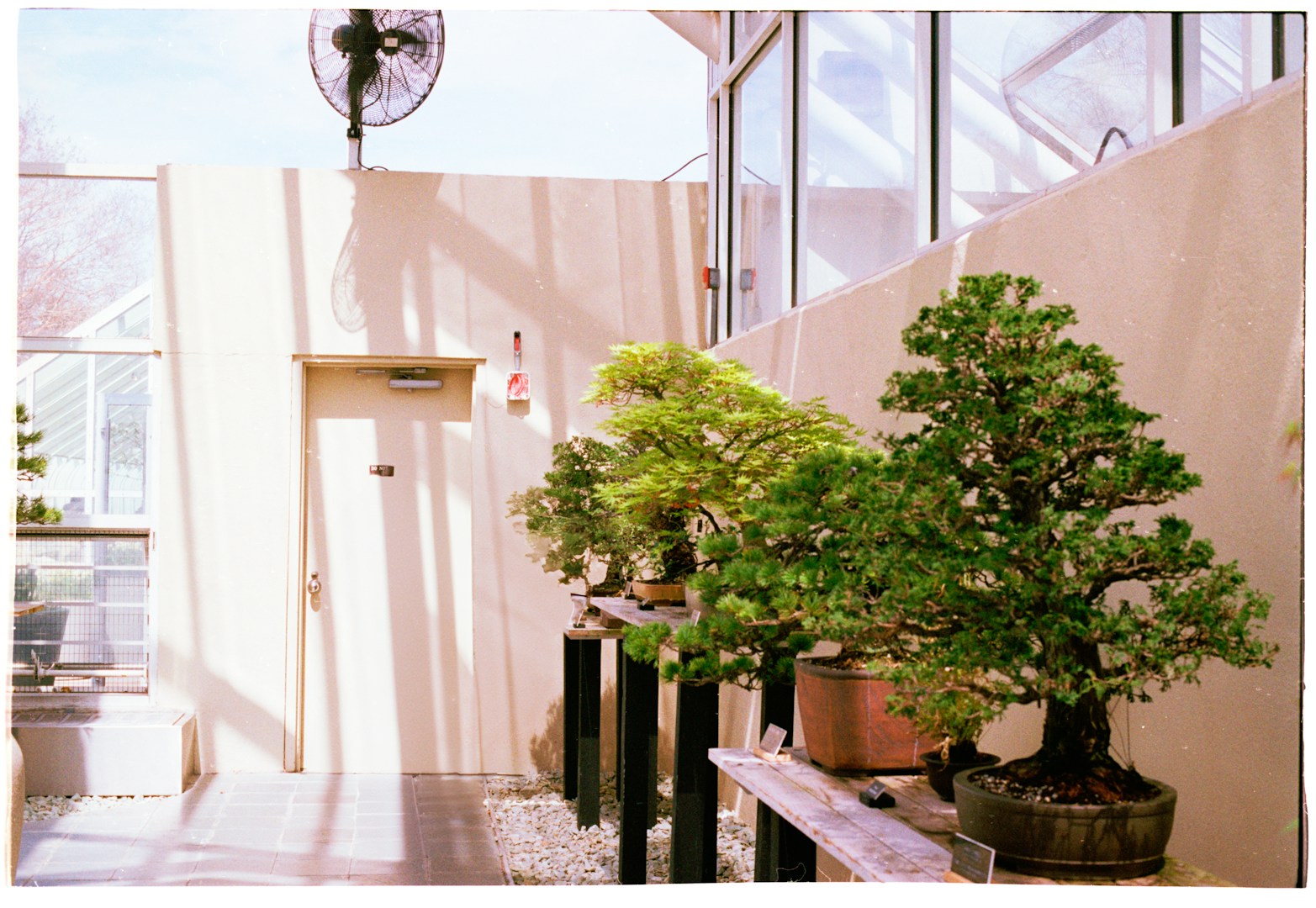
Positioning your bonsai correctly is fundamental to ensuring its healthy growth and vitality. The right placement secures optimal light exposure, which is crucial for the photosynthesis process. Each species has specific lighting requirements; for instance outdoor varieties appreciate a mix of sun and shade depending on the season.
Understanding Light Needs
Different bonsai species come with varied light preferences. Generally, they need bright, indirect sunlight, but some may require full sun or partial shade. Pay close attention to your bonsai’s behaviour; if it starts to lose leaves or the colours fade, it might be time to reconsider its position. Aim to observe the sunlight patterns in your space throughout the day to find the ideal spot.
Creating the Ideal Environment
Aside from light, you must also consider airflow and humidity. Bonsais enjoy spaces with good air circulation. Positioning your bonsai too close to heat sources, like radiators, can lead to dry soil and stunted growth. Furthermore, providing additional humidity with the help of a pebble tray or misting can bolster your bonsai's health, particularly for tropical varieties.
Seasonal Adjustments
As seasons change, so do the light conditions and temperature. It is vital to adjust your bonsai's positioning accordingly. During winter months, indoors may become too warm; hence, ensure it's placed in a cooler area that still receives sufficient daylight. In summer, outdoor bonsais may require shade to protect them from scorching sun during the hottest hours.
Regular Observation and Care
Regularly monitoring your bonsai’s health is essential for long-term care. A keen eye can help you catch early signs of stress from incorrect positioning. Be proactive and willing to experiment with placements until you find the perfect balance of light, humidity, and airflow that suits your bonsai. Your dedication will reflect positively through its thriving appearance.
Mastering the Art of Watering Your Bonsai
Watering techniques are essential for maintaining a healthy bonsai. At Wolf Bonsai, we understand the unique needs of each species, particularly the delicate Japanese maple. These trees thrive in moisture-rich soil but are also susceptible to root rot if overwatered. Therefore, it is crucial to strike a balance. To assess when your Japanese maple requires watering, observe the soil moisture. A finger test can be an effective method: insert your finger into the soil; if the top inch feels dry, it’s time to water. Always ensure that the pot has adequate drainage to avoid standing water, which can lead to detrimental conditions for your bonsai. When watering, aim to give your tree a thorough soak. You should see water escape from the drainage holes to ensure it has reached the roots. Morning is the best time for watering, allowing the foliage to dry out during the day and reducing the risk of fungal diseases. By learning these techniques, you will not only enhance the appearance of your bonsai but also contribute positively to its longevity and health. Explore our resources at Wolf Bonsai to dive deeper into bonsai care, ensuring your Japanese maple flourishes alongside your passion for this intricate art form.
Master the Art of Pruning Your Bonsai
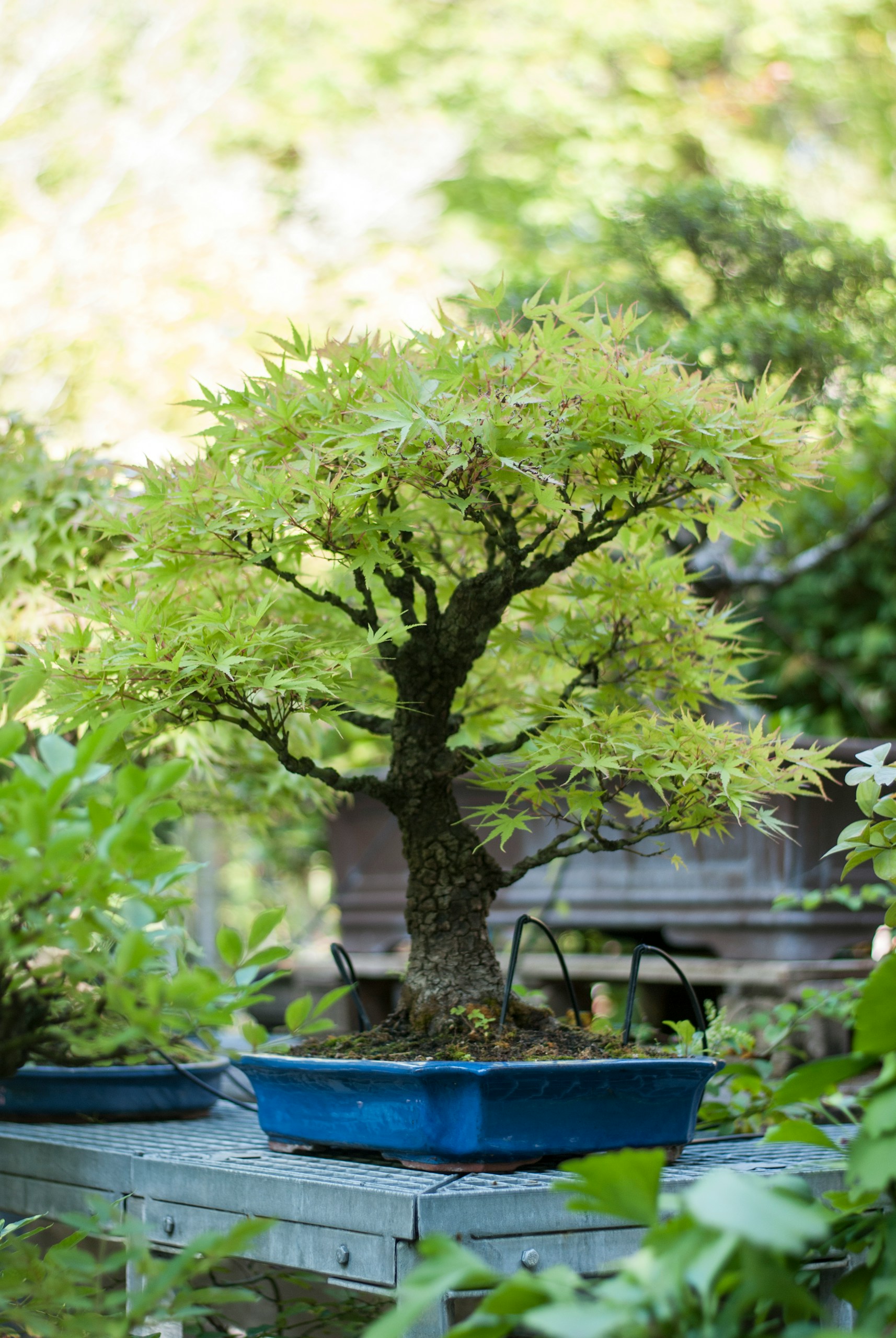
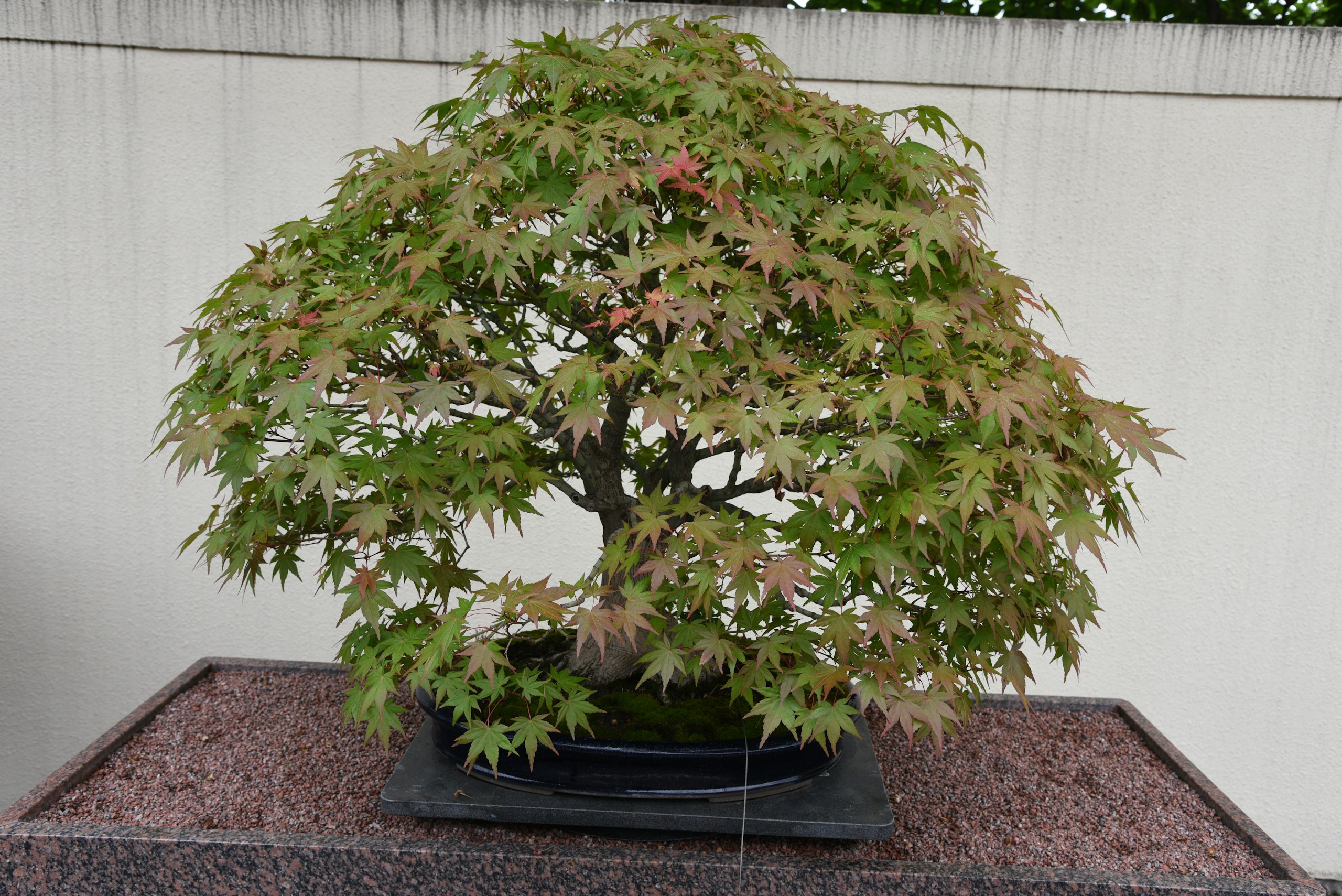
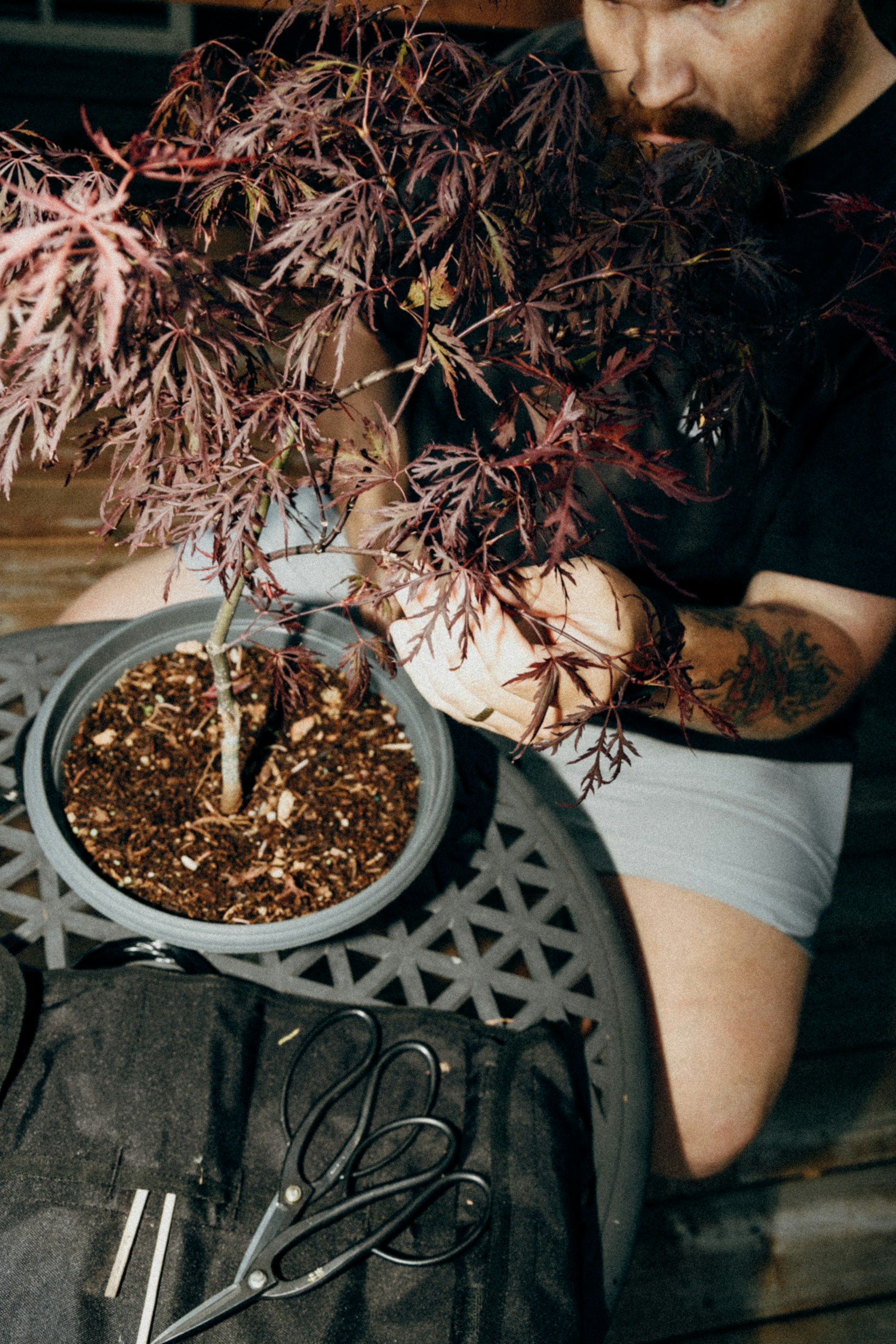
At Wolf Bonsai, we understand that pruning is not just a routine maintenance task; it is an essential practice in shaping the aesthetic and promoting the overall health of your bonsai. This meticulous process plays a crucial role, particularly with species like the Japanese maple, renowned for its beautiful foliage and graceful structure. In this section, we will delve into proven techniques to prune your Japanese maple bonsai effectively, ensuring it flourishes for years to come.
Understanding the Importance of Pruning
Why Pruning Matters
Pruning is vital for maintaining the structure of your Japanese maple bonsai. By selectively removing branches and leaves, you can enhance light penetration and air circulation within the canopy, preventing disease and encouraging healthy growth. This practice also allows you to shape your bonsai according to your artistic vision and preserve its unique character.
Best Time to Prune Your Japanese Maple
Timing is Everything
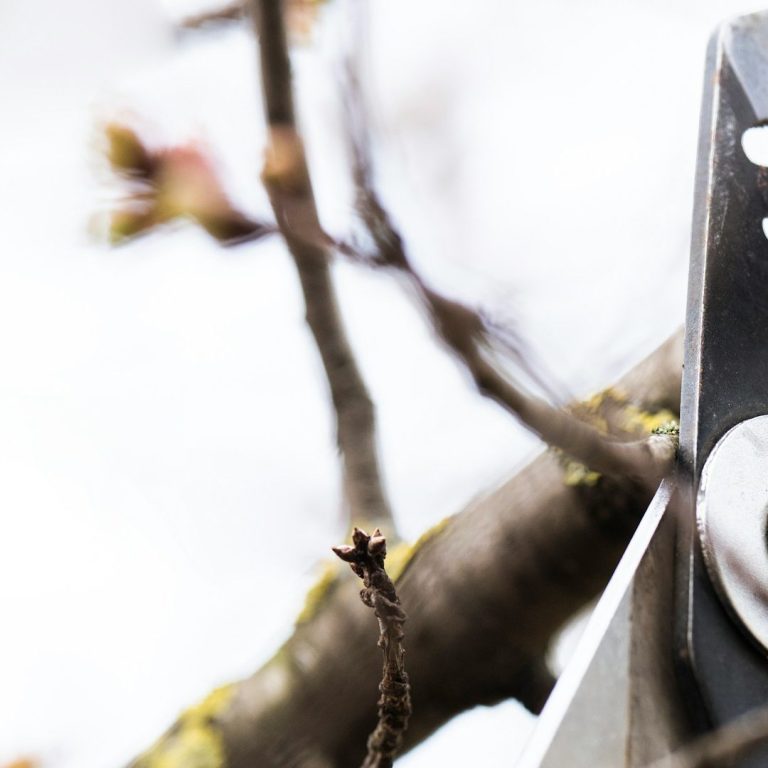
The ideal time to prune your Japanese maple bonsai is during the late winter or early spring when the tree is still dormant. This timing helps minimise stress and encourages vigorous new growth as the tree wakes up for the growing season. Careful consideration of the timing ensures that your pruning efforts yield the best results.
Effective Pruning Techniques
How to Prune Correctly
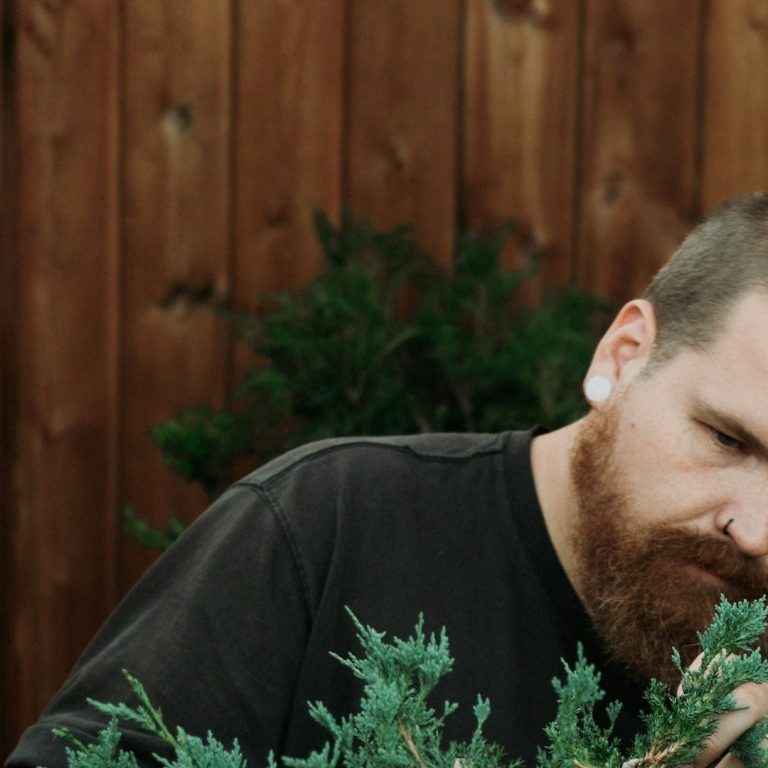
When pruning a Japanese maple bonsai, employ techniques such as thinning out to remove excess branches and reduce density. Focus on weak, crossed, or inward-growing branches. Use clean, sharp tools to make precise cuts, ensuring the health of your bonsai is preserved. This thoughtful approach will maintain the natural shape and enhance the beauty of your tree.
Post-Pruning Care
Nurturing Your Pruned Bonsai
Once you have completed the pruning process, it is important to provide your Japanese maple bonsai with appropriate aftercare. Ensure it receives sufficient water and light to recover from the pruning stress. Regular monitoring for pests and diseases will also help maintain its health and vitality, allowing your bonsai to thrive in its newly shaped form.
Mastering the Art of Repotting Your Bonsai
Repotting is a fundamental aspect of bonsai care, ensuring that your bonsai plant has access to adequate nutrients and sufficient space for root development. At Wolf Bonsai, we understand the delicate balance required in maintaining your bonsai's health, especially when it comes to species such as the Japanese Maple. Regular repotting not only revitalises the soil but also helps to prevent root bound conditions, allowing for optimal growth and vitality.
Why Repotting is Essential
Repotting your bonsai is crucial for its ongoing health. As your Japanese Maple matures, it will begin to consume the nutrients in the soil, leading to potential deficiencies. By repotting, you supply fresh, nutrient-rich soil that can support your bonsai’s growth and enhance its overall appearance.
When to Repot Your Japanese Maple
Understanding the right intervals for repotting is key to successful bonsai care. For Japanese Maples, we recommend repotting every two to three years, typically in spring, just before the growing season begins. This timing allows the tree to recover quickly from the stress of repotting while adjusting to its new environment.
The Repotting Process Explained
To repot your Japanese Maple effectively, follow these steps: 1) Gently remove the tree from its pot; 2) Shake off the old soil while untangling the roots; 3) Inspect the roots for any signs of rot or damage; 4) Trim back any unnecessarily long roots; 5) Place your tree in a new pot with fresh bonsai soil, ensuring it's positioned correctly. Water deeply after repotting to help settle the soil.
Aftercare Following Repotting
Once repotting is complete, it’s essential to provide your Japanese Maple with the best aftercare. Place the bonsai in a shaded area for a few weeks to help it recover from the stress. Ensure consistent watering, avoiding both over and under-watering. Monitoring your bonsai closely during this period will help it thrive in its newly repotted environment.